2025 Economic Expert

A word from your Silver Elk Realty Team: The real estate industry has dealt with unprecedented change and is shifting fast. Partnering with Silver Elk Realty means staying ahead of the curve, it means more than just knowing what’s happening—it’s about leveraging the right strategies to thrive.

For the past 16 years our coach, Brian Buffini, has successfully forecast the future of the market year after year.  He is the premier real estate coach in the nation and Silver Elk Realty has remained connected with him since 2015, so we can bring you the most informative intel to guide you home and grow your wealth.

Watch the broadcast on-demand to gain the actionable insights we are using to navigate the evolving real estate market in 2025. In this video Dr. Lawrence Yun, the national chief economist for NAR will provide insights on things like:

  1. What factors are driving changes in housing needs
  2. What’s holding most homeowners back from making a move
  3. Interest Rate projections for 2025
  4. What drives high interest rates
  5. 2025 Housing forecast and beyond

Silver Elk Realty Commentary

Pent up demand will soon drive a tidal wave of new home buyers into the market. A significant number of future home buyers have been sitting on the fence waiting for interest rates to come back down to 3.5% but unfortunately, there is no basis for this thinking – there isn’t a single economist out there who will tell you rates will ever come back down to those historical lows. Most economist are predicting rates between 5.75% – 6% over the next couple of years. At some point, what’s going to happen is that, all of these folks who’ve been sitting and waiting won’t be able to wait any longer, and when they see rates drop to 5.7% – 5.9% will jump back in and reignite the bidding wars we saw from 2019 – 2022.

With that will come many challenges for buyers and sellers:

1. Buyers will have fewer homes to choose from and a lot of competition, resulting in more multiple offer situations for prime housing.

2. Sellers will have plenty of buyer offers to choose from, but will, at the same time, find themselves in the buyer pool which will make buying and selling at the same time challenging.

A different way of seeing things:

There’s an old saying in financial circles, “rent the rate”. This means that instead of waiting until the perfect scenario presents itself, you take what the market will give you now, and buy down later. In the real estate world this is referring to interest rates, and the cost of borrowing money to purchase a home.

If you were a home buyer in the last 6 years you know what we’re talking about. When interest rates were low – everybody was buying. Many missed out of some great homes because there were more shoppers than houses they could afford- what we refer to as inventory. Just like when the weatherman calls for icy weather, everyone runs to the store and buys up all the toilet paper, I digress. Likewise, when the cost of money (interest rates) are low, everybody wants to make a move, gobbling up all the available homes. When this happens, the price of housing will go up as the amount of inventory goes down.

So how do we get what we want and not pay an arm and a leg for it? A Paradigm shift! Think differently! One thing is sure, housing prices will continue to rise regardless of the interest rate – again, this is one of the driving forces behind owning versus renting. If you have to borrow money to buy a home then it-is-what-it-is, do what you need to do now, and over the long run you’ll be glad you did.

So if you want to buy a home, whether you currently own a home or not, consider this: Find a home that fits your families needs perfectly, and if its priced reasonably for the times we’re in, buy it! Get the best possible rate you can find, make room for it in your monthly budget, and when rates come down – refinance.

On a personal note, I want to encourage you to make decisions using sound wisdom, considering all the facts and taking into account all the available information from trusted sources. Don’t allow fearmongering to cloud good sensical judgement. If you feel anxious, worried or even fear when thinking about all of this, it’s time to seek out good council. Remember, not making a decision can be just as bad as making the wrong decision

Contact Silver Elk Realty today to get your community specific information

Gorden McLaugghlin

Search For Your Next Home Here

What the 2023 Market Outlook Means for You


In March 2022, the Federal Reserve began a series of interest rate hikes in an effort to pump the brakes on inflation.1 And while some market sectors have been slow to respond, the housing market has reacted accordingly.

Both demand and price appreciation have tapered, as the primary challenge for homebuyers has shifted from availability to affordability. And although this higher-mortgage rate environment has been a painful adjustment for many buyers and sellers, it should ultimately lead to a more stable and balanced real estate market.

So what can we expect in 2023? Will mortgage rates continue to climb? Could home prices come crashing down? While this is one of the more challenging real estate periods to forecast, here’s what several industry experts predict will happen to the U.S. housing market in the coming year.     

MORTGAGE RATES WILL FLUCTUATE LESS

In 2022, 30-year fixed mortgage rates surged from roughly 3% in January to around 7%. According to Rick Sharga of real estate data company ATTOM, “We’ve never seen rates double in so short a period.”2

This year, economists forecast a less dramatic shift.

In an interview with Bankrate, Nadia Evangelou, senior economist for the National Association of Realtors, shares her vision of three possible mortgage rate scenarios:3

  1. Inflation continues to surge, forcing the Fed to repeatedly raise interest rates. In that scenario, she predicts that rates could reach as high as 8.5%.
  2. Inflation decelerates and mortgage rates follow suit, averaging 7 to 7.5% for the year.
  3. Rising interest rates trigger a recession, which could ultimately lead mortgage rates to drop closer to 5% by the end of the year.

Realtor.com forecasts something similar to scenario #2 above: “Mortgage rates will average 7.4% in 2023, trickling down to 7.1% by year’s end.”4 The Mortgage Bankers Association, however, projects something closer to Evangelou’s scenario #3, with the 30-year fixed rate declining steadily throughout the year, averaging 6.2% in Q1 and 5.2% by Q4.5

Economists at Fannie Mae fall somewhere in the middle. In a recent press release, they predicted that the U.S. economy will experience a “modest recession” this year.6 But in their December Housing Forecast, they project that 30-year fixed mortgage rates will only fall by half a point from an average of 6.5% in Q1 to 6.0% in Q4.7

“From our perspective, the good news is that demographics remain favorable for housing, so the sector appears well-positioned to help lead the economy out of what we expect will be a brief recession,” said Fannie Mae Chief Economist Doug Duncan.6

What does it mean for you?

Even the experts can’t say for certain where mortgage rates are headed. Instead of trying to ”time the market,” focus instead on buying or selling a home when the time is right for you.

There are a variety of mortgage options available that can make a home purchase more affordable, including adjustable rates, points, and buydowns—and keep in mind you can always refinance down the road. Waiting to buy may only leave you to face increasing purchase prices. We’d be happy to refer you to a trusted mortgage professional who can outline your best options.


SALES VOLUME WILL FALL AND INVENTORY WILL RISE

It looks like the home-buying frenzy we experienced in recent years is behind us. While the desire to own a home remains strong, higher mortgage rates have made it unaffordable for a large segment of would-be buyers.

Many economists expect the number of home sales to continue to decline this year, leading to an increase in listing inventory and days-on-market, or the time it takes to sell a home. But, there is a wide range when it comes to specifics.

Economists at Fannie Mae forecast that total home sales will fall by around 20% this year before rising again by nearly 15% in 2024.7 National Association of Realtors Chief Economist Lawrence Yun projects a less extreme dip of 7% in 2023 with a rebound of 10% next year.8

Realtor.com Chief Economist Danielle Hale foresees something in between. “The deceleration in home sales is likely to continue as high home prices and mortgage rates limit the pool of eligible home buyers. We anticipate that existing home sales will decline another 14.1% in 2023.” She expects this drop in sales to lead to a nearly 23% increase in inventory levels this year, offering more choices for buyers who have struggled to find a home in the past.9

However, given the severe lack of housing supply, even with a double-digit increase, the market is expected to remain relatively tight and below pre-pandemic levels. Hale points out: “It’s important to keep historical context in mind. The level of inventory in 2023 is expected to fall roughly 15% short of the 2019 average.”9

What does it mean for you?


🏠 If you’ve been frustrated by a lack of inventory in the past, 2023 may bring new opportunities for you to find the perfect home. And today’s buyers have more negotiating power than they’ve had in years. Contact us to find out about current and future listings that meet your criteria.

🤔 If you’re hoping to sell, you may want to act fast; rising inventory levels will mean increased competition. We can help you chart the best course to maximize your profits, starting with a professional assessment of your home’s current market value. Reach out to schedule a free consultation.

HOME PRICES WILL REMAIN RELATIVELY STABLE

While some economists expect home prices to fall this year, many expect them to remain fairly stable. “For most parts of the country, home prices are holding steady since available inventory is extremely low,” said Yun at a November conference.8

Nationally, Yun expects the average median home price to tick up by 1% in 2023, with some markets experiencing greater appreciation and others experiencing declines.8 Economists at Fannie Mae offer a similar projection, forecasting a slight decrease in their Home Price Index of about 1.5%, year-over-year.7

Other experts foresee a larger fluctuation. Hale expects U.S. home prices to rise by 5.4% this year, while Morgan Stanley is forecasting a 7% drop from the peak in June 2022.9,10

Still, many economists agree that a housing market crash like the one we experienced in 2008 is highly unlikely. The factors that caused home prices to plunge during the Great Recession—specifically lax lending standards and a surplus of inventory—aren’t prevalent in our current market.10 Therefore, home values are expected to remain comparatively stable.

What does it mean for you? 

🔜 It can feel scary to buy a home when there’s uncertainty in the market. However, real estate is a long-term investment that has been shown to appreciate over time. And keep in mind that the best bargains are often found in a slower market, like the one we’re experiencing right now. Contact us to discuss your goals and budget. We can help you make an informed decision about the right time to buy.

💸 And if you’re planning to sell this year, you’ll want to chart your path carefully to maximize your profits. Contact us for recommendations and to find out what your home could sell for in today’s market.

RENT PRICES WILL CONTINUE TO CLIMB

Affordability challenges for would-be buyers, inflationary pressures, and an overall lack of housing could continue to drive “above-average” rent price increases in much of the country.11 The Federal Reserve Bank of Dallas expects year-over-year rental price growth to tick up to 8.4% in May before moderating later in the year.12

According to Hale, “U.S. renters will continue to face challenges from limited supply and excess demand in the coming year that will keep upward pressure on rent growth. At a national level, we forecast rent growth of 6.3% in the next 12 months, somewhat ahead of home price growth and historical rent trends.”9

However, there are signs that the surge in rent prices could be tapering. According to Jay Parsons, head of economics for rental housing software company RealPage, there’s some evidence of a slowdown in demand. He predicts that market-rate rents will rise just 3.3% this year. Still, analysts agree that a return to lower pre-pandemic rental prices is unlikely.10

What does it mean for you?

🔥Rent prices are expected to keep climbing. But you can lock in a set mortgage payment and build long-term wealth by putting that money toward a home purchase instead. Reach out for a free consultation to discuss your options.

💰 And if you’ve ever thought about purchasing a rental property, now may be a perfect time. Call today to get your investment property search started.

WE’RE HERE TO GUIDE YOU

While national real estate forecasts can provide a “big picture” outlook, real estate is local. And as local market experts, we can guide you through the ins and outs of our market and the issues most likely to impact sales and drive home values in your particular neighborhood.

If you’re considering buying or selling a home in 2023, contact us now to schedule a free consultation. We’ll work with you to develop an action plan to meet your real estate goals this year.

Call or text 214-926-3302

www.SilverElkRealty.com

The above references an opinion and is for informational purposes only.  It is not intended to be financial, legal, or tax advice. Consult the appropriate professionals for advice regarding your individual needs.

Sources:

  1. Forbes –
    https://www.forbes.com/advisor/investing/fed-funds-rate-history/
  2. Bankrate –
    https://www.bankrate.com/mortgages/will-mortgage-rates-go-up-in-december-2022/
  3. Bankrate –
    https://www.bankrate.com/real-estate/housing-market-predictions-2023/
  4. Realtor.com –
    https://www.realtor.com/news/trends/2023-the-year-of-the-homebuyer-our-bold-predictions-on-home-prices-mortgage-rates-and-more/
  5. Mortgage Bankers Association –
    https://www.mba.org/docs/default-source/research-and-forecasts/forecasts/mortgage-finance-forecast-dec-2022.pdf?sfvrsn=b584bf7_1
  6. Fannie Mae –
    https://www.fanniemae.com/newsroom/fannie-mae-news/economy-still-expected-enter-and-exit-modest-recession-2023
  7. Fannie Mae –
    https://www.fanniemae.com/media/45801/display
  8. National Association of Realtors –
    https://www.nar.realtor/newsroom/nars-lawrence-yun-predicts-us-home-prices-wont-experience-major-decline-could-possibly-rise-slightly
  9. Realtor.com –
    https://www.realtor.com/research/2023-national-housing-forecast/
  10. The New York Times –
    https://www.nytimes.com/2022/11/04/realestate/housing-market-interest-rates.html
  11. CNBC –
    https://www.cnbc.com/2022/09/28/how-much-higher-rent-will-go-in-2023-according-to-experts.html
  12. Federal Reserve Bank of Dallas –
    https://www.dallasfed.org/research/economics/2022/0816

7 Costly Mistakes Home Sellers Make

No matter what’s going on in the housing market, the process of selling a home can be challenging. Some sellers have a hard time saying goodbye to a treasured family residence. Others want to skip ahead to the fun of decorating and settling into a new place. Almost all sellers want to make the most money possible.

Whatever your circumstances, the road to the closing table can be riddled with obstacles — from issues with showings and negotiations to inspection surprises. But many of these complications are avoidable when you have a skilled and knowledgeable real estate agent by your side.

For example, here are seven common mistakes that many home sellers make. These can cause anxiety, cost you time, and shrink your financial proceeds. Fortunately, we can help you avert these missteps and set you up for a successful and low-stress selling experience.

MISTAKE #1: Setting an Unrealistic Price

Many sellers believe that pricing their homes high and waiting for the “right buyers” to come along will net them the most money. However, overpriced homes often sit on the market with little activity, which can be the kiss of death in real estate — and result in an inevitable price drop.1

Alternatively, if you price your home at (or sometimes slightly below) market value, it can be among the nicest that buyers see within their budgets. This can increase your likelihood of receiving multiple offers.2

To help you set a realistic price from the start, we will do a comparative market analysis, or CMA. This integral piece of research will help us determine an ideal listing price based on the amount that similar properties have recently sold for in your area.

Without this data, you risk pricing your home too high (and getting no offers) or too low (and leaving money on the table). We can help you find that sweet spot that will draw in buyers without undercutting your profits. 

MISTAKE #2: Trying to Time the Market

You’ve probably heard the old saying, “Buy low and sell high.” But when it comes to real estate, that’s easier said than done.

Delaying your home sale until prices have hit their peak may sound like a great idea. But sellers should keep these factors in mind:

  1. Predicting the market with certainty is nearly impossible.
  2. If you wait to buy your next home, its price could increase as well. This may erode any additional proceeds from your sale.
  3. If mortgage rates are rising, your pool of potential buyers could shrink — and you would have to pay more to finance your next purchase.

Instead of trying to time the market, choose your ideal sales timeline. This may be based on factors like your personal financial situation, shifting family dynamics, or the seasonal patterns in your neighborhood. We can help you figure out the best time to sell given your individual circumstances.

MISTAKE #3: Failing to Address Needed Repairs

Many sellers hope that buyers won’t notice their leaky faucet or broken shutters during home showings. But minor issues like these can leave buyers worrying about more serious — and costly — problems lurking out of sight.

Even if you do receive an offer, there’s a high likelihood that the buyer will hire a professional home inspector, who will flag any defects in their report. Neglecting to address a major issue could lead buyers to ask for costly repairs, money back, or worse yet, walk away from the purchase altogether.

To avoid these types of disruptions, it’s important to make necessary renovations before your home hits the market. We can help you decide which repairs and updates are worth your time and investment. In some cases, we may recommend a professional pre-listing inspection.

This extra time and attention can help you avoid potential surprises down the road and identify any major structural, system, or cosmetic faults that could impact a future sale.3

MISTAKE #4:  Neglecting to Stage Your Home

Staging is the act of preparing your home for potential buyers. The goal is to “set the stage” to help buyers envision themselves living in your home. Some sellers opt to skip this step, but that mistake can cost them time and money in the long run. A 2021 survey by the Real Estate Staging Association found that, on average, staged homes sold nine days faster and for $40,000 over list price.4

Indoors, staging could include everything from redecorating, painting, or rearranging your furniture pieces to removing personal items, decluttering, and deep cleaning. Outdoors, you might focus on power washing, planting flowers, or hanging a wreath on the front door.

You may not need to do all these tasks, but almost every home can benefit from some form of staging. Before your home hits the market, we can refer you to a professional stager or offer our insights and suggestions if you prefer the do-it-yourself route.

MISTAKE #5: Evaluating Offers on Price Alone

When reviewing offers, most sellers focus on one thing: the offer price. While dollar value is certainly important, a high-priced offer is worthless if the deal never reaches the closing table. That’s why it’s important to consider other factors in addition to the offer price, such as:

  • Financing and buyer qualifications
  • Deposit size
  • Contract contingencies
  • Closing date
  • Leaseback options

Depending on your circumstances, some of these factors may or may not be important to you. For example, if you’re still shopping for your next home, you might place a high premium on an offer that allows for a flexible closing date or leaseback option.

Buyers and their agents are focused on crafting deals that work well for them. We can help you assess your needs and goals to select an offer that works best for you.

MISTAKE #6: Acting on Emotion Instead of Reason

It’s only natural to grow emotionally attached to your home. That’s why so many sellers end up feeling hurt or offended at some point during the selling process. Low offers can feel like insults. Repair requests can feel like judgments. And whatever you do — don’t listen in on showings through your security monitoring system. Chances are, some buyers won’t like your decor choices, either!

However, it’s a huge mistake to ruin a great selling opportunity because you refuse to counter a low offer or negotiate minor repairs. Instead, try to keep a cool head and be willing to adjust reasonably to make the sale. We can help you weigh your decisions and provide rational advice with your best interests in mind.

MISTAKE #7: Not Hiring an Agent

There’s a good reason 90% of homeowners choose to sell with the help of a real estate agent. Homes listed by agents sold for 22% more than the average for-sale-by-owner home, according to a recent study by the National Association of Realtors.5

Selling a home on your own may seem like an easy way to save money. But in reality, there is a steep learning curve. And a listing agent can:

  • Skip past time-consuming problems
  • Use market knowledge to get the best price
  • Access contacts and networks to speed up the selling process

If you choose to work with a listing agent, you’ll save significant time and effort while minimizing your personal risk and liability. And the increased profits realized through a more effective marketing and negotiation strategy could more than make up for the cost of your agent’s commission.

We can navigate the ins and outs of the housing market for you and make your selling process as stress-free as possible. You may even end up with an offer for your home that’s better than you expected.

BYPASS THE PITFALLS WITH A KNOWLEDGEABLE GUIDE

Your home selling journey doesn’t have to be hard. When you hire us as your listing agent, we’ll develop a customized sales plan to help you get top dollar for your home without any undue risk, stress, or aggravation. If you’re thinking of buying or selling a home, reach out today to schedule a free consultation and home value assessment. [email protected] or 214-926-3302

Sources:

  1. The Washington Post – https://www.washingtonpost.com/business/2019/07/22/just-because-its-sellers-market-doesnt-mean-you-should-overprice-your-home/
  2. Realtor.com – https://www.realtor.com/advice/sell/spark-a-bidding-war-for-your-home/
  3. American Society of Home Inspectors – https://www.homeinspector.org/Newsroom/Articles/Before-You-Sell-6-Reasons-to-Get-a-Pre-Listing-Inspection/15766/Article
  4. Real Estate Staging Association – https://www.realestatestagingassociation.com/content.aspx?page_id=22&club_id=304550&module_id=164548
  5. National Association of Realtors – https://www.nar.realtor/research-and-statistics/quick-real-estate-statistics

10 Pro Tips for a Smooth Home Move

The process of buying a new home can be both exhilarating and exhausting. But the journey doesn’t stop when you close on your property. On the contrary, you still have quite a bit to do before you can begin the process of settling into your new place.

Fortunately, you don’t have to do everything in a day. You don’t have to do it all alone, either. When you work with us to sell or purchase a home, you’ll have an ally by your side long after your transaction has closed. We’ll continue to be a resource, offering advice and referrals whenever you need them on packing, hiring movers and contractors, and acclimating to your new home and neighborhood.

When it comes to a life event as stressful as moving, it pays to have a professional by your side. Here are some of our favorite pro tips to share with clients as they prepare for an upcoming move.

1. Watch out for moving scams.

Maybe you receive a flyer for a moving company in the mail. Perhaps you find a mover online. Either way, never assume that you’re getting accurate information. According to the Better Business Bureau, moving-related fraud is on the rise. In 2021 alone, individuals and families reported more than $730,000 lost to moving scams, an increase of 216% over the previous year.1

How can you tell if a moving deal is too good to be true? Trust your instincts. If the price appears too low or you can’t pin down the mover’s physical business address, try someone else. The same goes for any moving company representative who dodges questions. Reputable movers should offer transparent pricing, conduct in-home estimates, and provide referrals and copies of their insurance documents upon request.2 For help finding trustworthy movers, reach out. We’d be happy to share our recommendations. 

2. Insure your belongings.

Your moving company promises to take care of your custom piano or your antique furniture. But don’t just take their word for it. Ask to see how much insurance they carry and talk about how the claims process works. That way, you’ll know what is (and isn’t) covered in case of loss or damage.

Of course, some items are priceless because they’re irreplaceable. You might want to move your more sensitive valuables (jewelry, documents, family heirlooms, etc.) in your own vehicle just to be safe. For added peace of mind, call your rental or home insurance provider if you’re moving anything yourself. You might already be protected or be able to purchase extra insurance to cover your move. If those options are unavailable, you could opt for moving insurance from a third-party carrier.3

3. Start packing when you start looking for a new home.

As soon as your house hunting begins in earnest, think about packing away things you won’t need for the next few months. These could include seasonal or holiday decor, clothing, and books. Tackling just one or two boxes a day will give you a head start.

If you’re going to put your current home on the market, you’ll want to declutter anyway. Decluttering will make your home seem larger, and depersonalizing helps buyers envision their own items in the space. Consider selling, donating, or throwing out possessions you no longer need. The things you want to keep can be placed in storage until you officially start moving to a new place.

4. Pack to make unpacking easier.

Have you ever opened a packed box only to find that it’s filled with an assortment of items that don’t belong together? This isn’t efficient and will only make unpacking harder. A better way to pack is to bundle items from a single room in a labeled box. Labels can let movers know (and remind you) where to place each box, whether it’s fragile, and which side needs to be up. Some people like to assign colors to each room in their new home to make distributing color-coded boxes a breeze.

Feel free to unleash your inner organizer with this project. For example, you could create a spreadsheet and assign each box a number. As boxes are packed, simply fill in the spreadsheet with a list of contents. Anyone with access to the spreadsheet can log in and quickly find the desired item.

5. Think outside the box when transporting clothes.

Who wants to worry about boxing up clothes? If you plan on hiring professional movers, ask if you can leave clothing in your dressers. In many cases, they will use plastic to wrap the dresser so the drawers don’t fall out during transport. If keeping your clothes in your furniture makes it too heavy, the movers might be able to wrap and move drawers by themselves.

Another easy transport trick involves turning clean garbage bags into garment bags. Poke a hole in the bottom of a garbage bag, turn the bag upside down, slide it over five to seven garments on hangers, and lay the items flat in the back seat or trunk of your vehicle. The bags will help prevent wrinkling, and your clothes will be ready to hang up when you get to your new home.

6. Document prior to disassembling appliances and furnishings.

Few things are as confusing as looking at a plastic baggie filled with nuts, bolts, and screws from your disassembled dining room table or sorting through a box of electrical wires and cords to see which ones fit your TV.

The best workaround to easier reassembly is to document the disassembly process. Take photos and videos or thorough notes as you go. Whether it’s your headboard or treadmill, be very precise. And just a tip: Construct your beds first when you get to your new home. After a long moving day, the very last thing you want is to be assembling beds into the wee hours of the morning.

7. Prioritize unpacking kids’ rooms.

Children can become very stressed by a big move. To ease their transition, consider prioritizing unpacking their rooms as their “safe zones.”4 You aren’t obligated to unpack everything, certainly. However, set up your children’s rooms to be functional. That way, your kids can hang out in a private oasis away from the chaos while you’re running around and moving everything else.

Depending upon how old your youngsters are, you might want to give them decorating leeway, too. Even if it’s just letting them choose where furniture goes, it gives them a sense of buy-in. This can help ease the blues of leaving a former home they loved.

8. Be a thoughtful pet parent.

Many types of pets can’t handle the commotion of moving day. Knowing this, be considerate and seek ways to give your pets breaks from the action. You might ask a friend to pet sit your pooch or keep your kitty in a quieter room, like a guest bathroom.

Be sure to check in on your pet frequently. Pets like to know that you’re around. Give them treats, food, and water throughout the day. When it’s time to transport your pet, do it calmly. At your new property, give your pet access to just a room or two at first. Pets typically prefer to acclimate themselves slowly to unfamiliar environments.5

9. Plan for your move like you’re planning for an exciting vacation.

When you plan vacations, you probably look up local restaurants, shops, and recreational areas. Who says you can’t do the same thing when moving? Create a list of all the places you want to go and things you want to do around your newly purchased home. Having a to-explore list keeps everyone’s spirits high and gives you starting points to settle into the neighborhood.

And don’t feel that you have to cook that first night. Once the moving trucks are gone, you can always pop over to a local eatery or order DoorDash for major convenience. The first meal in your new home should be a happy, welcoming treat. And if you’re relocating to our neck of the woods, we would love to introduce you to all the hot spots in town and recommend our local favorites.

10. Pack an “Open Me First!” box.

You won’t be able to unpack all your boxes in one day, but you shouldn’t go without your sheets, pillows, or toothbrush. Designate some boxes with “Open Me First!” labels. (Pro tip: Keep a tool kit front and center for all that reassembling.)

Along these lines, use luggage and duffel bags to transport everyone’s personal must-have items and enough clothing for a couple of days. That way, you won’t have to rummage through everything in the middle of your move looking for sneakers or snacks.

When packing your “Open Me First!” boxes, think about which items you’ll need in those first 24 hours. For example, toilet paper and hand soap are musts. A box cutter will make unpacking a lot easier, and paper towels and trash bags are sure to come in handy. Reach out for a complete, printable list of “Open Me First!” box essentials to keep on hand for your next move!

LET’S GET MOVING

Getting the phone call from your real estate agent that your bid was accepted is a thrilling moment. Make sure you keep the positivity flowing during the following weeks by mapping out a streamlined, efficient move. Feel free to get in touch with us today to help make your big move your best move.  Dial Gorden at 214-926-3302 or Email [email protected]

Sources:

  1. Better Business Bureau – https://www.bbb.org/article/scams/24198-bbb-scam-alert-avoid-moving-scams-this-national-moving-mont
  2. Move.org –
    https://www.move.org/how-to-tell-moving-company-scam/
  3. Forbes –
    https://www.forbes.com/advisor/homeowners-insurance/moving-insurance/
  4. New York Times –
    https://www.nytimes.com/2020/07/13/parenting/moving-tips-kids.html
  5. ASPCA –
    https://www.aspca.org/pet-care/general-pet-care/moving-your-pet

8 Strategies to Secure a Lower Mortgage Rate

8 Strategies to Secure a Lower Mortgage Rate

Mortgage rates have been on a roller coaster ride this year, rising and falling amid inflationary pressures and economic uncertainty. And even the experts are divided when it comes to predicting where rates are headed next.1

This climate has been unsettling for some homebuyers and sellers. However, with proper planning, you can work toward qualifying for the best mortgage rates available today – and open up the possibility of refinancing at a lower rate in the future.

How does a lower mortgage rate save you money? According to Trading Economics, the average new mortgage size in the United States is currently around $410,000.2 Let’s compare a 5.0% versus a 6.0% fixed-interest rate on that amount over a 30-year term.

Mortgage Rate (30-year fixed)

Monthly Payment on $410,000 Loan (excludes taxes, insurance, etc.)

Difference in Monthly Payment

Total Interest Over 30 Years

Difference in Interest

5.0%

$2,200.97

$382,348.72

6.0%

$2,458.16

+ $257.19

$474,936.58

+ $92,587.86

With a 5% rate, your monthly payments would be about $2,201. At 6%, those payments would jump to $2,458, or around $257 more. That adds up to a difference of almost $92,600 over the lifetime of the loan. In other words, shaving off just one percentage point on your mortgage could put nearly $100K in your pocket over time.

So, how can you improve your chances of securing a low mortgage rate? Try these eight strategies:

1. Raise your credit score.

Borrowers with higher credit scores are viewed as “less risky” to lenders, so they are offered lower interest rates. A good credit score typically starts at 690 and can move up into the 800s.3 If you don’t know your score, check with your bank or credit card company to see if they offer free access. If not, there are a plethora of both free and paid credit monitoring services you can utilize.

If your credit score is low, you can take steps to improve it, including:4

  • Correct any errors on your credit reports, which can bring down your score. You can access reports for free by visiting AnnualCreditReport.com.
  • Pay down revolving debt. This includes credit card balances and home equity lines of credit.
  • Avoid closing old credit card accounts in good standing. It could lower your score by shortening your credit history and shrinking your total available credit.
  • Make all future payments on time. Payment history is a primary factor in determining your credit score, so make it a priority.
  • Limit your credit applications to avoid having your score dinged by too many inquiries. If you’re shopping around for a car loan or mortgage, minimize the impact by limiting your applications to a short period, usually 14 to 45 days.5

Over time, you should start to see your credit score climb — which will help you qualify for a lower mortgage rate.

2. Keep steady employment.

If you are preparing to purchase a home, it might not be the best time to make a major career change. Unfortunately, frequent job moves or gaps in your résumé could hurt your borrower eligibility.

When you apply for a mortgage, lenders will typically review your employment and income over the past 24 months.5 If you’ve earned a steady paycheck, you could qualify for a better interest rate. A stable employment history gives lenders more confidence in your ability to repay the loan.

That doesn’t mean a job change will automatically disqualify you from purchasing a home. But certain moves, like switching from W-2 to 1099 (independent contractor) income, could throw a wrench in your home buying plans.6

3. Lower your debt-to-income ratios.

Even with a high credit score and a great job, lenders will be concerned if your debt payments are consuming too much of your income. That’s where your debt-to-income (DTI) ratios will come into play.

There are two types of DTI ratios:7

  1. Front-end ratio — What percentage of your gross monthly income will go towards covering housing expenses (mortgage, taxes, insurance, and dues or association fees)?
  2. Back-end ratio — What percentage of your gross monthly income will go towards covering ALL debt obligations (housing expenses, credit cards, student loans, and other debt)?

What’s considered a good DTI ratio? For better rates, lenders typically want to see a front-end DTI ratio that’s no higher than 28% and a back-end ratio that’s 36% or less.7

If your DTI ratios are higher, you can take steps to lower them, like purchasing a less expensive home or increasing your down payment. Your back-end ratio can also be decreased by paying down your existing debt. A bump in your monthly income will also bring down your DTI ratios.

4. Increase your down payment.

Minimum down payment requirements vary by loan type. But, in some cases, you can qualify for a lower mortgage rate if you make a larger down payment.8

Why do lenders care about your down payment size? Because borrowers with significant equity in their homes are less likely to default on their mortgages. That’s why conventional lenders often require borrowers to purchase private mortgage insurance (PMI) if they put down less than 20%.

A larger down payment will also lower your overall borrowing costs and decrease your monthly mortgage payment since you’ll be taking out a smaller loan. Just be sure to keep enough cash on hand to cover closing costs, moving expenses, and any furniture or other items you’ll need to get settled into your new space.

5. Compare loan types.

All mortgages are not created equal. The loan type you choose could save (or cost) you money depending on your qualifications and circumstances.

For example, here are several common loan types available in the U.S. today:9

  • Conventional — These offer lower mortgage rates but have more stringent credit and down payment requirements than some other types.
  • FHA — Backed by the government, these loans are easier to qualify for but often charge a higher interest rate.
  • Specialty — Certain specialty loans, like VA or USDA loans, might be available if you meet specific criteria.
  • Jumbo — Mortgages that exceed the local conforming loan limit are subject to stricter requirements and may have higher interest rates and fees.10

When considering loan type, you’ll also want to weigh the pros and cons of a fixed-rate versus variable-rate mortgage:11

  • Fixed rate — With a fixed-rate mortgage, you’re guaranteed to keep the same interest rate for the entire life of the loan. Traditionally, these have been the most popular type of mortgage in the U.S. because they offer stability and predictability.
  • Adjustable rate — Adjustable-rate mortgages, or ARMs, have a lower introductory interest rate than fixed-rate mortgages, but the rate can rise after a set period of time — typically 3 to 10 years.

According to the Mortgage Bankers Association, 10% of American homebuyers are now selecting ARMs, up from just 4% at the start of this year.12 An ARM might be a good option if you plan to sell your home before the rate resets. However, life is unpredictable, so it’s important to weigh the benefits and risks involved.

6. Shorten your mortgage term.

A mortgage term is the length of time your mortgage agreement is in effect. The terms are typically 15, 20, or 30 years.13 Although the majority of homebuyers choose 30-year terms, if your goal is to minimize the amount you pay in interest, you should crunch the numbers on a 15-year or 20-year mortgage.

With shorter loan terms, the risk of default is less, so lenders typically offer lower interest rates.13 However, it’s important to note that even though you’ll pay less interest, your mortgage payment will be higher each month, since you’ll be making fewer total payments. So before you agree to a shorter term, make sure you have enough room in your budget to comfortably afford the larger payment.

7. Get quotes from multiple lenders.

When shopping for a mortgage, be sure to solicit quotes from several different lenders and lender types to compare the interest rates and fees. Depending upon your situation, you could find that one institution offers a better deal for the type of loan and term length you want. Some borrowers choose to work with a mortgage broker. Like an insurance broker, they can help you gather quotes and find the best rate. However, if you use a broker, make sure you understand how they are compensated and contact more than one so you can compare their recommendations and fees.14

Don’t forget that we can be a valuable resource in finding a lender, especially if you are new to the home buying process. After a consultation, we can discuss your financing needs and connect you with loan officers or brokers best suited for your situation.

8. Consider mortgage points.

Even if you score a great interest rate on your mortgage, you can lower it even further by paying for points. When you buy mortgage points — also known as discount points — you essentially pay your lender an upfront fee in exchange for a lower interest rate. The cost to purchase a point is 1% of your mortgage amount. For each point you buy, your mortgage rate will decrease by a set amount, typically 0.25%.15 You’ll need upfront cash to pay for the points, but you can more than make up for the cost in interest savings over time.

However, it only makes sense to buy mortgage points if you plan to stay in the home long enough to recoup the cost. You can determine the breakeven point, or the period of time you’d need to keep the mortgage to make up for the fee, by dividing the cost by the amount saved each month.15 This can help you determine whether or not mortgage points would be a good investment for you.

Getting Started

Unfortunately, the rock-bottom mortgage rates we saw during the height of the pandemic are behind us. However, today’s 30-year fixed rates still fall beneath the historical average of around 8% — and are well below the all-time peak of 18.45% in 1981.16, 17

And although higher mortgage rates have made it more expensive to finance a home purchase, they have also eliminated some of the competition from the market. Consequently, today’s buyers are finding more homes to choose from, fewer bidding wars, and more sellers willing to negotiate or offer incentives such as cash toward closing costs or mortgage points.

If you’re ready and able to buy a home, there’s no reason that concerns about mortgage rates should sideline your plans. The reality is that many economists predict home prices to continue climbing.18 So you may be better off buying today at a slightly higher rate than waiting and paying more for a home a few years from now. You can always refinance if mortgage rates go down, but you can’t make up for the lost years of equity growth and appreciation.

If you have questions or would like more information about buying or selling a home, reach out to schedule a free consultation. We’d love to help you weigh your options, navigate this shifting market, and reach your real estate goals!

Sources:

  1. Washington Post – https://www.washingtonpost.com/business/2022/08/04/mortgage-rates-sink-below-5-percent-first-time-four-months/
  2. Trading Economics – https://tradingeconomics.com/united-states/average-mortgage-size
  3. NerdWallet – https://www.nerdwallet.com/article/finance/what-is-a-good-credit-score
  4. Debt.org – https://www.debt.org/credit/improving-your-score/
  5. The Balance – https://www.thebalance.com/will-multiple-loan-applications-hurt-my-credit-score-960544
  6. Time – https://time.com/nextadvisor/mortgages/how-lenders-evaluate-your-employment/
  7. Bankrate – https://www.bankrate.com/mortgages/why-debt-to-income-matters-in-mortgages/
  8. NerdWallet – https://www.nerdwallet.com/article/mortgages/payment-buy-home
  9. Consumer Financial Protection Bureau – https://www.consumerfinance.gov/owning-a-home/loan-options/
  10. NerdWallet – https://www.nerdwallet.com/article/mortgages/jumbo-loans-what-you-need-to-know
  11. Bankrate – https://www.bankrate.com/mortgages/arm-vs-fixed-rate/
  12. MarketWatch – https://www.marketwatch.com/picks/as-mortgage-rates-rise-heres-exactly-how-more-homebuyers-are-snagging-mortgage-rates-around-4-01656513665
  13. Consumer Financial Protection Bureau – https://www.consumerfinance.gov/owning-a-home/loan-options/#anchor_loan-term_361c08846349fe
  14. Federal Trade Commission – https://consumer.ftc.gov/articles/shopping-mortgage-faqs
  15. Bankrate – https://www.bankrate.com/mortgages/mortgage-points/
  16. CNBC – https://www.cnbc.com/select/mortgage-rates-today-still-relatively-low/
  17. Rocket Mortgage – https://www.rocketmortgage.com/learn/historical-mortgage-rates-30-year-fixed
  18. MarketWatch – https://www.marketwatch.com/picks/continuing-home-price-deceleration-heres-what-5-economists-and-real-estate-pros-predict-will-happen-to-the-housing-market-this-year-01659347993

Buy Now or Rent Longer?

Buy Now or Rent Longer?

5 Questions to Answer Before Purchasing Your First Home

Deciding whether to jump into the housing market or rent instead is rarely an easy decision – especially if you’re a first-time homebuyer. But in today’s whirlwind market, you may find it particularly challenging to pinpoint the best time to start exploring homeownership. 

A real estate boom during the pandemic pushed home prices to an all-time high.1 Add higher mortgage rates to the mix, and some would-be buyers are wondering if they should wait to see if prices or rates come down.

But is renting a better alternative? Rents have also soared along with inflation – and are likely to continue climbing due to a persistent housing shortage.2 And while homebuyers can lock in a set mortgage payment, renters are at the mercy of these rising costs for the foreseeable future.

So, what’s the better choice for you? There’s a lot to consider when it comes to buying versus renting. Luckily, you don’t have to do it alone. Reach out to schedule a free consultation and we’ll help walk you through your options. You may also find it helpful to ask yourself the following questions:

1. How long do I plan to stay in the home?

You’ll get the most financial benefit from a home purchase if you own the property for at least five years.3 If you plan to sell in a shorter period of time, a home purchase may not be the best choice for you.

There are costs associated with buying and selling a home, and it may take time for the property’s value to rise enough to offset those expenditures.

Even though housing markets can shift from one year to the next, you’ll typically find that a home’s value will ride out a market’s ups and downs and appreciate with time.4 The longer you own a property, the more you are likely to benefit from its appreciation.

Once you’ve found a community that you’d like to stay in for several years, then buying over renting can really pay off. You’ll not only benefit from appreciation, but you’ll also build equity as you pay down your mortgage – and you’ll have more security and stability overall.

Also important: If you plan to stay in the home for the life of the mortgage, there will come a time when you no longer have to make those payments. As a result, your housing costs will drop dramatically, while your equity (and net worth) continue to grow.

2. Is it a better value to buy or rent in my area?

If you know you plan to stay put for at least five years, you should consider whether buying or renting is the better bargain in your area.

One helpful tool for evaluating your options is a neighborhood’s price-to-rent ratio: just divide the median home price by the median yearly rent price. The higher the price-to-rent ratio is, the more expensive it is to buy compared to rent.5 Keep in mind, though, that this equation provides only a snapshot of where the market stands today. As such, it may not accurately account for the full impact of rising home values and rent increases over the long term.

According to the National Association of Realtors, a typical U.S. homeowner who purchased a single-family existing home 10 years ago would have gained roughly $225,000 in equity — all while maintaining a steady mortgage payment.6

In contrast, someone who chose to rent for the past 10 years would have not only missed out on those equity gains, but they would have also seen U.S. rental prices increase by around 66%.7

So even if renting seems like a better bargain today, buying could be the better long-term financial play.

Ready to compare your options? Then reach out to schedule a free consultation. As local market experts, we can help you interpret the numbers to determine if buying or renting is the better value in your particular neighborhood.

3. Can I afford to be a homeowner?

If you determine that buying a home is the better value, you’ll want to evaluate your financial readiness.

Start by examining how much you have in savings. After committing a down payment and closing costs, will you still have enough money left over for ancillary expenses and emergencies? If not, that’s a sign you may be better off waiting until you’ve built a larger rainy-day fund.

Then consider how your monthly budget will be impacted. Remember, your monthly mortgage payment won’t be your only expense going forward. You may also need to factor in property taxes, insurance, association fees, maintenance, and repairs.

Still, you could find that the monthly cost of homeownership is comparable to renting, especially if you make a sizable down payment. Landlords often pass the extra costs of homeowning onto tenants, so it’s not always the cheaper option.

Plus, even though you’ll be in charge of financing your home’s upkeep if you buy, you’ll also be the one who stands to benefit from the fruits of your investment. Every major upgrade, for example, not only makes your home a nicer place to live; it also helps boost your home’s market value.

If you want to buy a home but aren’t sure you can afford it, give us a call to discuss your goals and budget. We can give you a realistic assessment of your options and help you determine if your homeownership dreams are within reach.

4. Can I qualify for a mortgage?

If you’re prepared to handle the costs of homeownership, you’ll next want to look into how likely you are to get approved for a mortgage.

Every lender will have its own criteria. But, in general, you can expect a creditor to scrutinize your job stability, credit history, and savings to make sure you can handle a monthly mortgage payment.

For example, lenders like to see evidence that your income is stable and predictable. So if you’re self-employed, you may need to provide additional documentation proving that your earnings are dependable. A lender will also compare your monthly debt payments to your income to make sure you aren’t at risk of becoming financially overextended.

In addition, a lender will check your credit report to verify that you have a history of on-time payments and can be trusted to pay your bills. Generally, the higher your credit score, the better your odds of securing a competitive rate.

Whatever your circumstances, it’s always a good idea to get pre-approved for a mortgage before you start house hunting. Let us know if you’re interested, and we’ll give you a referral to a loan officer or mortgage broker who can help.

Want to learn more about applying for a mortgage? Reach out to request a copy of our report: “8 Strategies to Secure a Lower Mortgage Rate”

5. How would owning a home change my life?

Before you begin the preapproval process, however, it’s important to consider how homeownership would affect your life, aside from the long-term financial gains.

In general, you should be prepared to invest more time and energy in owning a home than you do renting one. There can be a fair amount of upkeep involved, especially if you buy a fixer-upper or overcommit yourself to a lot of DIY projects. If you’ve only lived in an apartment, for example, you could be surprised by the amount of time you spend maintaining a lawn.

On the other hand, you might relish the chance to tinker in your very own garden, make HGTV-inspired improvements, or play with your dog in a big backyard. Or, if you’re more social, you might enjoy hosting family gatherings or attending block parties with other committed homeowners.

The great thing about owning a home is that you can generally do what you want with it – even if that means painting your walls fiesta red one month and eggplant purple the next.

The choice – like the home – is all yours.   

HAVE MORE QUESTIONS? WE’VE GOT ANSWERS

The decision to buy or rent a home is among the most consequential you will make in your lifetime. We can make the process easier by helping you compare your options using real-time local market data. So don’t hesitate to reach out for a personalized consultation, regardless of where you are in your deliberations. We’d be happy to answer your questions and identify actionable steps you can take now to reach your long-term goals.  You’ll find our contact information below.

The above references an opinion and is for informational purposes only.  It is not intended to be financial, legal, or tax advice. Consult the appropriate professionals for advice regarding your individual needs.

Sources:

  1. CNN –
    https://www.cnn.com/2022/08/11/homes/home-prices-second-quarter/index.html
  2. NPR – https://www.npr.org/2022/07/14/1109345201/theres-a-massive-housing-shortage-across-the-u-s-heres-how-bad-it-is-where-you-l
  3. Bankrate –
    https://www.bankrate.com/mortgages/5-year-real-estate-rule/
  4. Federal Reserve Bank of St. Louis –
    https://fred.stlouisfed.org/series/MSPUS
  5. National Association of REALTORS – https://www.nar.realtor/blogs/economists-outlook/price-to-rent-ratios-by-state-from-2014-2019
  6. National Association of REALTORS –
    https://www.nar.realtor/blogs/economists-outlook/single-family-homeowners-typically-accumulated-225K-in-housing-wealth-over-10-years
  7. Statista –
    https://www.statista.com/statistics/200223/median-apartment-rent-in-the-us-since-1980/
Contact [email protected] and ask for our complimentary Buyer's Guide!

7 Tips to Maximize Your Home’s Sale Price

Seven Tips to Maximize Your Home's Sale Price

Over the past few years, a real estate buying frenzy bid up home prices to eye-popping amounts. However, as mortgage rates have risen, buyer demand has cooled. 1 Consequently, home sellers who enter the market today may need to reset their expectations.

The reality is, it’s no longer enough to stick a “for sale” sign in the yard and wait for buyers to bang down the door. If you want to net the most money possible for your property in today’s market, you’ll need an effective game plan and a skilled team of professionals to implement it.

Fortunately, we’ve developed a listing strategy that combines our proven approach to preparation, pricing, and promotion—all designed to help you get top dollar for your home. But you will play an important role in the selling process, as well.

Here are some crucial steps you can take to set yourself up for success as a home seller in this market:

1. Make Strategic Repairs and Improvements

When you sell something, it’s important to consider what your customer wants to buy. And according to the National Association of Realtors, only 6% of today’s buyers report that they are looking for a DIY fixer-upper.2 The vast majority want a move-in-ready home, which means that any outstanding repairs or dated features can be a major turn-off.

Before your home goes on the market, we’ll conduct a thorough walk-through to identify any problems that could prevent it from selling. In some cases, we may recommend a professional pre-listing inspection. Finding and addressing issues like leaks, rot, and foundation problems up front can pay off in the final sale price. Plus, it prevents sales from falling through because of a red flag on the home inspection, a scenario no seller wants to face.

Beyond repairs, we’ll also help you identify the simple upgrades that offer the highest return on your investment. For example, new paint can give your home a fresh look at a reasonable cost. However, it’s important to choose the right colors. One study found that painting your bathroom light blue could lead to a 1.6% increase in the offer price!3 Similarly, minor landscaping improvements can pay off in a major way. A healthy lawn offers an estimated 256% return on investment.4

2. Declutter and Depersonalize

When buyers look at a home for sale, they’re trying to envision themselves living there. That’s hard to do if it’s chock-full of the current owner’s family photos, children’s artwork, and souvenir collections. Plus, cluttered homes look smaller, and older items can make them feel dated.

Decluttering before you put your home up for sale will help you in the long run—after all, you’ll need to move all your things to your new home eventually. Now is the time to shred, digitize, or organize old documents, donate old clothes, or move bulky furniture into storage. At a minimum, you’ll want to pack away excess items neatly before potential buyers view the home. Remove personal photos and other trinkets to create a blank slate that viewers can imagine decorating with their own prized possessions.

If you feel overwhelmed by this process, we’d be happy to make recommendations or refer you to a local service provider who can help.

3. Stage Your Home for Success

Just as you take care to dress professionally for a job interview, you should always ensure your home looks its best for potential buyers. Home shoppers today are used to scrolling through Instagram and Pinterest, and they want to see the same wow factor when touring a home.

The process of making your home look its best and appeal to potential buyers is called staging, and it can be a game changer. According to the International Association of Home Staging Professionals, an average priced staged home sells 5 to 11 times faster than its unstaged counterpart. Even better, the majority of staged homes sell for 4% to 20% over list price!5

Some sellers hire a professional stager, who may bring in furniture and decor to increase the home’s appeal. Others choose to stage their homes themselves. We can help advise you on which route to choose and how much to invest in the process.

It’s also important to consider what buyers in your neighborhood are likely to be looking for in a home. We can help guide your staging choices with our local market insights. For example, in neighborhoods where a large share of residents work from home, it may be effective to stage one room as an office space so potential buyers can envision their day-to-day routine.

4. Prep for Each Showing

Most of us don’t live picture-perfect lives, and our homes reflect that (sometimes messy) reality. But when your home is on the market, it’s important to ensure that it is always ready for viewers, even on short notice. A missed showing is a missed opportunity to sell your home!

Before your home hits the market, it may be worth hiring professional cleaners to get in all the nooks and crannies. After, try your best to keep things spic and span. Just a few minutes a day wiping down counters, sweeping the floors, and vacuuming can make a big difference.

It’s also worth noting that most buyers will open cabinets, drawers, and closets—so try to make sure everything is as neat and organized as possible. Keep toiletries and small appliances off countertops, and secure valuables and sensitive documents in a safe or off-site.

Want help finding a cleaning service to make your home shine for buyers? Reach out for a referral!

5. Price Your Home Correctly From the Start

In the past few years, you may have seen homes in your neighborhood sell for shocking amounts and wondered if you could get a similar price for your property. The temptation to list your home on the high side can be strong, but it’s best to be realistic from the start. Even in a hot market, some homes will sit for months. And the longer a property is listed, the more buyers worry that something is wrong with it.6

Of course, you also don’t want to set your price too low and lose out on potential profit. That’s why it’s essential to work with real estate agents (like us!) who know the ins and outs of our local market and what buyers are willing to pay today. In a quickly-evolving market, comparable sales from a few months ago can lag the current market reality.

Fortunately, if you’ve owned your home for several years, chances are good that it’s worth much more today than you paid for it. That means you stand to walk away with a handsome profit. In fact, recent reports show that homeowner equity is at an all-time high.7

6. Avoid Acting on Emotion

The past few years of over-asking-price offers with few contingencies have set certain expectations for many sellers. It’s only natural to feel hurt or even offended if an offer comes in lower than what you think your home is worth.

However, it’s important to keep in mind that those market conditions were unprecedented, and we are now returning to a more typical market. Home sellers who act rationally, rather than emotionally, are going to get the best results.

Remember: You can always counter a low offer. The same goes for repair requests and contingencies—everything is negotiable. However, it’s important to accept that the market is adjusting and flexibility is key. Keep your expectations reasonable, and remain open-minded. And you can rest assured knowing that we’ll be by your side every step of the way to help you navigate the process and negotiate a great deal.

7. Work With a Local Market Expert

The economics impacting mortgage rates may be national, but real estate markets are hyperlocal. That’s why working with a professional agent who understands your neighborhood’s dynamics is essential. Through our experience, we’ve gathered insights that can help us position your home for success in this market. Plus, we have the resources to connect with qualified buyers searching for a home like yours.

Working with a knowledgeable agent is also the secret to getting as much money as possible for your home. We have access to extensive data on recent sales in your neighborhood, which we will use to price and promote your property. That’s one reason why homes sold by agents draw much higher prices than those sold by their owners alone. While for-sale-by-owner homes went for a median price of $260,000 in 2020, the median for homes sold by agents was $318,000.8 That’s a difference of $58,000—and money you don’t want to leave on the table.

YOUR AGENT AND ADVOCATE

Selling a home in a fast-changing market can be stressful. You’re likely to hear conflicting advice and opinions from people in your life, and decisions like what color to paint your front door or how much to list your home for can be overwhelming.

That’s where we come in. The market may be adjusting, but it’s still highly advantageous for sellers—and we’re here to help you make the most of it. We’re listing experts in our area, and we know what steps you need to take for a smooth, profitable transaction.

If you’re considering buying or selling a home, we invite you to reach out to schedule a free consultation. We’re happy to talk through your specific situation and goals and help you identify your next steps.

The above references an opinion and is for informational purposes only.  It is not intended to be financial, legal, or tax advice. Consult the appropriate professionals for advice regarding your individual needs.

Sources: 

  1. Yahoo! Finance – https://finance.yahoo.com/news/bidding-war-rate-drops-lowest-120000537.html
  2. National Association of Realtors – https://cdn.nar.realtor/sites/default/files/documents/2022-home-buyers-and-sellers-generational-trends-03-23-2022.pdf 
  3. Zillow – https://www.zillowgroup.com/news/paint-colors-that-could-lead-to-higher-offers/ 
  4. Angi – https://www.angi.com/articles/smart-landscaping-tips-can-increase-home-value.htm 
  5. International Association of Home Staging Professionals – https://pages.iahsp.com/home-staging-statistics/ 
  6. Washington Post – https://www.washingtonpost.com/business/2019/07/22/just-because-its-sellers-market-doesnt-mean-you-should-overprice-your-home/ 
  7. Realtor.com –https://www.realtor.com/research/changes-in-value-of-household-real-estate-q2-2022/
  8. National Association of Realtors – https://www.nar.realtor/research-and-statistics/research-reports/highlights-from-the-profile-of-home-buyers-and-sellers#purchased


Higher Rates and Short Supply

The last two years caught many of us off guard—and not just because of the pandemic. They also ushered in the hottest housing market on record, with home prices rising nationally by nearly 19% in 2021, driven primarily by low mortgage rates and a major supply shortage.1

But while some had hoped 2022 would bring a return to normalcy, the U.S. real estate market continues to boom, despite rising interest rates and decreasing affordability.

So what’s driving this persistent demand? And is there an end in sight?

Here are three factors impacting the real estate market right now. Find out how they could affect you if you’re a current homeowner or plan to buy or sell a home this year.

MORTGAGE RATES ARE RISING FASTER THAN EXPECTED

Over the past couple of years, homebuyers have faced intense competition for new homes—in part due to historically low mortgage rates that were a result of the Federal Reserve’s efforts to keep the economy afloat during the COVID-19 pandemic.

However, in response to a concerning level of inflation, the Fed is now reversing those efforts by raising the federal funds rate. And as a result, mortgage rates are rising, as well. Few experts predicted, though, that mortgage rates would go up as quickly as they have.

In January 2022, the Mortgage Bankers Association projected that rates would reach 4% by the end of this year.2 By mid-April, however, the average 30-year fixed mortgage rate had already hit 5%, up from around 3% just one year prior.3 On a $400,000 mortgage, that 2% difference could translate into an additional $461 per monthly payment.

Since then, mortgage rates have continued on an upward trend. So what impact are these rising rates having on demand? While many buyers had hoped for a cooling effect, experts warn that may not be the case.

Ali Wolf, chief economist at housing market research firm Zanda, told Fortune magazine, “Rising mortgage rates are having a counterintuitive effect on the housing market. Home shoppers are actually sprung into action in an attempt to buy a home before mortgage rates rise any higher.4

Since inventory remains low, the resulting “race” has kept the homebuying market highly competitive–at least for now.

What does it mean for you?

While current 30-year fixed mortgage rates represent an increase over previous months, they remain well below the historical average of 8%.5 As inflation across the economy continues, the Fed is likely to raise rates further this year. Buyers should act fast to secure a good mortgage rate. We’d be happy to refer you to a lender who can help.

For sellers, speed is also of the essence. The pool of potential buyers may shrink as mortgages become more expensive. And if you plan to finance your next home, you’ll want to act quickly to secure a favorable rate for yourself. Contact us today to discuss your options.

HOME PRICES KEEP CLIMBING

History shows that higher interest rates don’t necessarily translate to lower home prices. In fact, home prices rose 5% between 1980 and 1982, a period of significantly higher mortgage rates and inflation.5

Forecasters expect that home prices will continue to go up throughout 2022, though likely at a slower pace than the 18.8% increase of the last 12 months.4 Bank of America predicts that prices will be up approximately 10% by the end of this year, while Fannie Mae estimates 11.2%.6,7

In addition to limited supply and a race to beat rising mortgage rates, home values are also climbing because of positive economic indicators, like low unemployment.8 Plus, rents are soaring–up 17% from a year ago–which is prompting more first-time homebuyers to enter the market.9 Add to that the continued popularity of remote work, and it’s easy to see why property prices continue to surge.

However, it’s not all bad news for prospective homebuyers. Economists expect that as mortgage rates rise, the rate of appreciation will continue to taper, though the effect may be gradual.

Eventually mortgage rates will slow down home prices,” according to Ken Johnson, an economist at Florida Atlantic University interviewed by Marketwatch.10 “We should not see rapid upticks in prices as mortgage rates rise.” Forecasters agree—Fannie Mae expects price increases to slow to 4.2% in 2023.7

What does it mean for you?

While the pace of appreciation is likely to decrease next year, home prices show no signs of going down. However, current labor shortages are leading to higher salaries and better job opportunities for many workers. You may find that your income growth outpaces home prices, making homeownership more affordable for you in the future.

For homeowners, the outlook’s even brighter. You could find yourself sitting on a nice pile of equity. Contact us for a free home value assessment to find out.

INVENTORY REMAINS EXTREMELY LOW

As noted, one of the largest hurdles to homeownership is a lack of inventory. According to a February 2022 report by Realtor.com, there’s an expanding gap between household formation and home construction, which has resulted in a nationwide shortage of 5.8 million housing units.11

The origins of this shortage date back to the 2008 housing crisis, during which crashing home values led contractors to stop building new properties—a trend that has not been fully reversed.12

That decline in home construction also resulted in a decrease in the number of home building professionals, a trend that was exacerbated by job losses during the COVID-19 pandemic. Now, many builders are limited by their ability to find qualified labor.

Another major challenge is a staggering increase in the cost of materials. Pandemic-related supply chain shortages have been a significant driver, with home building material costs rising on average 20% on a year-over-year basis. The price of framing lumber alone has tripled since August 2021.13

These trends add tens of thousands of dollars to the cost of a typical home. Factors like a lack of buildable land in many areas, restrictive zoning, and a shortage of developers are also contributing to the issue.14

Most homebuying experts agree that the lack of inventory is the primary factor driving rising housing prices and unprecedented competition for homes. With available housing units near four-decade lows, the end of the current housing boom is not yet in sight.15

What does it mean for you?

Prospective buyers should be prepared to compete for a home, since low inventory can lead to multiple offers. You may also need to expand your search parameters. If you’re ready to look, we’re ready to help.

For sellers, the picture is rosier. In this strong market, your home may be worth more than you realize. Contact us to find out how much your home could sell for in today’s market.

WE’RE HERE TO GUIDE YOU

While national real estate trends can provide a “big picture” outlook, real estate is local. And as local market experts, we can guide you through the ins and outs of our market and the local issues that are likely to drive home values in your particular neighborhood.

If you’re considering buying or selling a home, contact us now to schedule a free consultation. We can help you assess your options and make the most of this unique real estate landscape.

Check our our LOCAL MARKET INSIGHTS on our blog here. You can always contact Gorden @214-926-3302 to obtain the specific neighborhood activity you desire!  Afterall, guiding you to make wise decisions is the main reason we love our role. 

Sources:

  1. Marketwatch – https://www.marketwatch.com/picks/home-price-appreciation-will-normalize-what-5-economists-and-real-estate-pros-predict-will-happen-to-home-prices-in-2022-01646940841
  2. Bankrate –
    https://www.bankrate.com/mortgages/mortgage-rate-forecast
  3. CNBC –
    https://www.cnbc.com/2022/04/16/heres-how-much-the-same-mortgage-costs-now-compared-to-last-year.html
  4. Fortune –
    https://fortune.com/2022/03/23/housing-market-interest-rate-economic-shock/
  5. National Association of Realtors –
    https://www.nar.realtor/blogs/economists-outlook/instant-reaction-mortgage-rates-april-07-2022
  6. Fortune –
    https://fortune.com/2022/03/16/home-prices-2022-2023-bank-of-america-forecast-mortgage-rates/
  7. Fortune –
    https://fortune.com/2022/03/07/what-home-prices-will-look-like-2023-fannie-mae/
  8. Fortune –
    https://fortune.com/2022/03/17/home-prices-drop-housing-markets-california-michigan-massachusetts-corelogic/
  9. CNN –
    https://www.cnn.com/2022/03/23/success/us-national-rent-february/index.html
  10. MarketWatch –
    https://www.marketwatch.com/story/home-prices-increase-at-one-of-the-fastest-rates-on-record-but-higher-mortgage-rates-should-slow-future-growth-11648559497
  11. Realtor.com –
    https://www.realtor.com/research/us-housing-supply-gap-expands/
  12. NPR –
    https://www.npr.org/2022/03/29/1089174630/housing-shortage-new-home-construction-supply-chain
  13. Investopedia –
    https://www.investopedia.com/housing-market-dips-in-early-march-2022-5222449
  14. NPR –
    https://www.npr.org/2022/03/29/1089174630/housing-shortage-new-home-construction-supply-chain
  15. Fortune –
    https://fortune.com/2022/03/14/housing-market-key-metric-inventory-zillow-bad-for-buyers/

5 Ways to Write a Winning Offer in Today’s Real Estate Market

Our nation is in the midst of a serious housing crunch. Last year, a lack of inventory and soaring prices left many would-be homebuyers feeling pinched. But now, with interest rates climbing, many of them are also feeling desperate to lock in a mortgage—which has only added fuel to the fire.1

Fortunately, if you’re a buyer struggling to find a home, we have some good news. While it’s true that higher mortgage rates can decrease your purchasing budget, there are additional ways to compete in a hot market.

Yes, a high offer price gets attention. But most sellers consider a variety of factors when evaluating an offer. With that in mind, here are five tactics you can utilize to sweeten your proposal and outshine your competition.

We can help you weigh the risks and benefits of each tactic and craft a compelling offer designed to get you your dream home—without giving away the farm.

  1. Demonstrate Solid Financing

The reality is, no one gets paid if a home sale falls through. That’s why sellers (and their listing agents) favor offers with a high probability of closing.

Sellers particularly love all-cash offers because there’s no chance of financing issues cropping up at the last moment. But don’t despair if you can’t pay cash for your home. According to the National Association of Realtors, only about 1 in 4 home purchases are all-cash deals, which means the vast majority are financed with a mortgage.2

If sellers are assured that financing will come through, buying with a mortgage doesn’t have to be a big disadvantage. The most important step you can take as a buyer is to get preapproved before you start looking for homes. A preapproval letter shows sellers that you are serious about buying and that you will be able to make good on your offer.

It’s also important to consider the reputation of your lender. While sellers may not know or care about a lender’s reputation, their agents often do. Some lenders are much easier to work with than others, especially if you are pursuing certain types of mortgages like FHA or VA loans.3 If so, you’ll want a lender who specializes in these types of mortgages. If you’re unsure who to choose, we are happy to refer you to reputable lenders known for their ease of doing business.

  1. Put Down a Sizeable Deposit

Buyers can show sellers that they’re serious about their offer and have “skin in the game” by putting down a large earnest money deposit.

Earnest money is a deposit held in escrow by a title company or the seller’s broker or lawyer. If the purchase goes through, it is applied to the down payment and closing costs—if the sale falls through, the buyer may lose some or all of that deposit.

While an earnest money deposit is typically around 1-2% of the sale price, offering a higher deposit can help demonstrate to the buyer that you are serious about the property.4 However, this strategy can also be risky. We can help you determine an appropriate deposit to offer based on your specific circumstances.

  1. Ask for Few (or No) Contingencies

Most real estate offers include contingencies, which are clauses that allow one or both parties to back out of the agreement if certain conditions are not met. These contingencies appear in the purchase agreement and must be accepted by both the buyer and seller to be legally binding.5

Common contingencies include:

  • Financing: A financing contingency gives the buyer a window of time in which to secure a mortgage. If they are unable to do so, they can withdraw from the purchase and the seller can move on to other buyers.
  • Inspection: An inspection contingency gives the buyer the opportunity to have the home professionally inspected for issues with the structure, wiring, plumbing, etc. Typically, the seller may choose whether or not to remediate those issues; if they do not, the buyer may withdraw from the contract.
  • Appraisal: Most lenders will not offer a mortgage on a home that costs more than it’s worth. An appraisal contingency gives the buyer an opportunity to get the home professionally assessed to ensure that its value is at or above the sales price. If an appraisal comes in low, the seller may be asked to renegotiate the contract.
  • Sale of a prior home: Some buyers cannot afford to purchase a new home until they sell their previous one. If the buyer is unable to sell their current home within a specified window of time, this contingency enables them to withdraw from the contract without penalty.

Since contingencies reduce the likelihood that a sale will go through, they generally make an offer less desirable to the seller. The more contingencies that are included, the weaker the offer becomes. Therefore, buyers in a competitive market often volunteer to waive certain contingencies.

However, it’s very important to make this decision carefully and recognize the risks of doing so. For example, a buyer who chooses to waive a home inspection contingency may find out too late that the home requires extensive renovations, and a buyer who waives the appraisal may risk their mortgage falling through. If you back out of a home purchase without the protection of a contingency, you could lose your earnest money deposit.6 We can help you assess the risks and benefits involved.

4. Offer a Flexible Closing Date and/or Leaseback Option

When it comes to selling a house, money isn’t everything. People sell their homes for a wide variety of reasons, and flexible terms that work with their personal situations can sometimes make all the difference. For example, if a seller is in the process of planning a significant move, they may prefer a longer closing timeline that gives them time to find housing in their new location.

Similarly, short-term leaseback options, in which the sale is completed but the seller retains the right to rent the home for a specified period of time, can be compelling.7 These arrangements enable the seller to use the money from the sale of their home to purchase their next house. A leaseback agreement also makes it possible for them to avoid moving twice when their next home is not yet ready to occupy.

Flexible closing dates and leaseback options can provide a powerful advantage for first-time homebuyers. If you have a month-to-month or easily transferable lease, for example, you may be able to offer a more flexible timeline than a buyer who is simultaneously selling their existing home.

Of course, the value of these terms depends on the seller’s situation. We can reach out to the listing agent to find out the seller’s preferred terms, and then collaborate with you to write a compelling offer that works for both parties.

5. Work With a Skilled Buyer’s Agent

In this ultra-competitive real estate market, one of the greatest advantages you can give yourself is to work with a skilled and trustworthy real estate professional. We will make sure you fully understand the process and help you submit an appealing offer without taking on too much risk.

Plus, we know how to write offers that are designed to win over both the seller and their listing agent. The truth is, listing agents play a huge role in helping sellers evaluate offers, and they want to work with skilled buyer’s agents who are professional, communicative, and courteous.

Once your offer is accepted, we’ll also handle any further negotiations and coordinate all the paperwork and other details involved in your home purchase. The best part is, you’ll have a knowledgeable, licensed advocate on your side who is watching out for your best interests every step of the way.

Helping You Get to the Right Offer

In many cases, a competitive offer doesn’t need to be all-cash, contingency-free, or significantly above asking price. But if you’re serious about buying a home in today’s market, it’s important to consider what you can do to sweeten the deal.

If you’re a buyer, we can help you compete in today’s market without getting steamrolled. And if you’re a seller, we can help you evaluate offers by taking all the relevant factors into account. Contact us today to schedule a free consultation.

Sources:

  1. National Association of Realtors –
    https://www.nar.realtor/newsroom/pending-home-sales-dwindle-4-1-in-february
  2. National Association of Realtors –
    https://www.nar.realtor/newsroom/existing-home-sales-fade-7-2-in-february
  3. Forbes –
    https://www.forbes.com/advisor/mortgages/housing-crisis-tips/
  4. Realtor.com –
    https://www.realtor.com/advice/finance/earnest-money-deposit-mistakes-buyers-make/
  5. Bankrate –
    https://www.bankrate.com/real-estate/contingency-clause/
  6. Home Buying Institute –
    http://www.homebuyinginstitute.com/mortgage/risks-of-waiving-a-contingency/
  7. Realtor.com –
    https://www.realtor.com/advice/sell/what-is-a-rent-back-agreement

Seller’s Checklist: A Timeline to Prep Your Home for Sale

A Timeline to Prep Your Home for Sale

We’re still in a seller’s market, but that doesn’t mean your home is guaranteed to easily sell.1 If you want to maximize your sale price, it’s still important to prepare your home before putting it on the market.

Start by connecting with a real estate agent as soon as possible. Having the eyes and ears of an insightful real estate professional on your side can help you boost your home’s appeal to buyers. What’s more, beginning the preparation process early allows you to tackle repairs and upgrades that can increase your property’s value.

Use the checklist below to figure out what other tasks you should complete in the months leading up to listing your home. While everyone’s situation is unique, these guidelines will help you make sure you’re ready to sell when the time is right. Of course, you can always call us if you’re not sure where to start or what to tackle first. We can help customize a plan that works for you.

AS SOON AS YOU THINK OF SELLING

Some home sellers want to plan their future move far in advance, while others will be required to pack up on very short notice. Whatever your circumstances, these first steps will help assure you’ll be ahead of the listing game.

  • Contact Your Real Estate Agent

We go the extra mile when it comes to servicing our clients, and that includes a series of complimentary, pre-listing consultations to help you prepare your home for the market.

Some sellers make the mistake of waiting until they are ready to list their home to contact a real estate agent. But we’ve found that the earlier we’re brought into the process, the better the result. That often means a faster sale—and more money in your pocket after closing.

We know what buyers want in today’s market, and we can help devise a plan to maximize your property’s appeal. We can also connect you with our trusted network of contractors, vendors, and service professionals, so you’ll be sure to get the VIP treatment. This network of support can alleviate stress and help ensure you get everything done in the weeks or months leading up to listing.

  • Address Major Issues and Upgrades

In most cases, you won’t need to make any major renovations before you list. But if you’re selling an older home, or if you have any doubt about its condition, it’s best to get us involved as soon as possible so we can help you assess any necessary repairs.

In some instances, we may recommend a pre-listing inspection. Although it’s less common in a seller’s market, a pre-listing inspection can help you avoid potential surprises down the road. We can discuss the pros and cons during our initial meeting.

This is the time to address major structural, systems, or cosmetic issues that could hurt the sale of your home down the line. For example, problems with the frame, foundation, or roof are likely to be flagged on an inspection report. Issues with the HVAC system, electrical wiring, or

plumbing may cause the home to be unsafe. And sometimes outdated or unpopular design features can limit a home’s sales potential.

Remember, when you’re dealing with major repairs or renovations, it’s best to give yourself as much time as possible. Given rampant labor and material shortages, starting right away can help you avoid costly delays.2 Contact us so we can guide you on the updates that are worth your time and investment.

1 MONTH (OR MORE) BEFORE YOU LIST

Once any large-scale renovations have been addressed, you can turn your attention to the more minor updates that still play a major role in how buyers perceive your home.

  • Make Minor Repairs

Look for any unaddressed maintenance or repair issues, such as water spots, pest activity, and rotten siding. This is the time to take care of those small annoyances like squeaky hinges, sticking doors, and leaky faucets, too.

Many of these issues can be handled by going the DIY route and using a few simple tools. Tackle the ones you can and be sure to call a professional for the ones you’re not comfortable doing yourself. We can refer you to local service providers who can help.

Remember that it’s easy to overlook these small issues because you live with them. When you work with us, you get a fresh set of eyes on your home—so you don’t miss any important repairs that could make a big difference to buyers.

  • Refresh Your Design

This is a great time to think about some simple design updates that can make a significant impression on buyers. For example, a fresh coat of paint is an easy and affordable way to spruce up your home. One survey found that interior paint offered a 107% return on investment.3 For broad appeal, opt for warm, neutral colors.

And never underestimate the importance of good curb appeal. Homes with good curb appeal sell for 7% more, on average, than similar homes with an “uninviting exterior.”4 If weather permits, lay fresh sod where needed, plant colorful flowers, and add some new mulch to your beds.

Even just repositioning your furniture can make a huge difference to buyers. A survey by the Real Estate Staging Association found that staged homes sold faster, and 73% sold over list price.5 We can refer you to a local stager or offer our insights and suggestions if you prefer the DIY route.

  • Declutter and Depersonalize

Doing a little bit of decluttering every day is a lot easier than trying to take care of it all at once right before your home hits the market. A simple strategy is to do this one room at a time, working your way through each space whenever you have a bit of free time.

Start by donating or discarding items that you no longer want or need. Then pack up any seasonal items, family photos, and personal collections you can live without for the next few weeks. Bonus: This will give you a head start on packing for your move!

1 WEEK BEFORE YOU GO TO MARKET

With just one week before your home is available for sale, all major items should be crossed off your to-do list. Now it’s time to focus on the small details that will really make your home shine. Here are a few key areas to focus on during this last week.

  • Check-In With Your Agent

We’ll connect again to make sure we’re aligned on the listing price, marketing plan, and any remaining prep. We will be there every step of the way, ensuring you’re fully prepared to maximize the sale of your home.

  • Tidy Your Exterior

You’ve already done the major landscaping—now it’s time to tackle the last few details. Make sure your lawn is freshly mowed, hedges are trimmed, and flower beds are weeded.

In addition, now is the time to clean your home’s exterior if you haven’t already. Power wash your siding, empty the gutters, and wash all your windows and screens.

  • Deep Clean Your Interior

Your house should be deep cleaned before listing, including a thorough deodorizing of the home’s interior and steam cleaning for all carpets. Consider hiring a professional cleaning company to ensure the space smells and looks as fresh as possible.

In addition to cleaning, take some time to tidy up. Buyers will look inside your closets, pantries, and cabinets, so make sure they are neat and organized. Small appliances and toiletries should be cleared off the countertops.

DAY OF SHOWING

Now you’re all set to go and there are just a few small things you need to handle on the day of showings or open houses. Do a final walk-through and take care of these finishing touches to give potential buyers the best possible impression.

  • Pre-Showing Prep

Happy and comfortable buyers are more likely to submit offers! Make them feel at home by adjusting the thermostat to a comfortable temperature. Open any blinds and curtains throughout the house, and turn on all lights so buyers can see all the potential in your home.

Then tidy up by vacuuming and sweeping floors, emptying (or hiding) trash cans, and wiping down countertops. In the bathrooms, close toilet lids and hang clean hand towels.

Don’t forget to secure firearms, jewelry, sensitive documents, prescription medications, and any other items of value in a safe or store them off-site.

Finally, it’s best to have pets out of the house during showings. If possible, you should also remove evidence of pets (litter box, dog beds, etc.), which can be a turn-off for some buyers.

DON’T WAIT TO PREP YOUR HOME FOR SELLING

If you want to get top dollar for your home, don’t put it on the market before it’s ready. The right preparation can make all the difference when it comes to maximizing the offers you get. The upgrades and changes you need to make will depend upon your home’s condition, so don’t wait to speak with an agent.

Call our team if you’re thinking about selling your home, even if you’re not sure when. It’s never too early to seek the guidance of your real estate agent and start preparing your home to sell.

Sources:

  1. Fortune –
    https://fortune.com/2022/02/08/should-i-buy-house-sellers-market-housing-real-estate-fannie-mae/
  2. Forbes –
    https://www.forbes.com/advisor/home-improvement/labor-materials-shortage-impacts-renovations/
  3. PR Web –
    https://www.prweb.com/releases/2012-homegain/home-improvement-survey/prweb9433460.htm
  4. Realtor Magazine –
    https://magazine.realtor/daily-news/2020/01/27/how-much-does-curb-appeal-affect-home-value
  5. Real Estate Staging Association –
    https://www.realestatestagingassociation.com/content.aspx?page_id=22&club_id=304550&module_id=164548

Hedge Against Inflation with These 3 Real Estate Investment Types

The annual inflation rate in the United States is currently around 7.5%—the highest it has been since 1982.1 It doesn’t matter if you’re a cashier, lawyer, plumber, or retiree; if you spend U.S. dollars, inflation impacts you.

Economists expect the effects of inflation, like a higher cost of goods, to continue.2 Luckily, an investment in real estate can ease some of the financial strain.

Here’s what you need to know about inflation, how it impacts you, and how an investment in real estate can help.

WHAT IS INFLATION AND HOW DOES IT IMPACT ME?

Inflation is a decline in the value of money. When the rate of inflation rises, prices for goods and services go up. Therefore, a dollar buys you a little bit less with every passing day.

The consumer price index, or CPI, is a standard measure of inflation. Based on the latest CPI data, prices increased 7.5% from January 2021 to January 2022.1 A little bit of inflation is considered healthy for the economy, but 7.5% in a single year is high.

How does inflation affect your life? Here are a few of the negative impacts:

  • Decreased Purchasing Power

We touched on this already, but as prices rise, your dollar won’t stretch as far as it used to. That means you’ll be able to purchase fewer goods and services with a limited budget.

  • Increased Borrowing Costs

In an effort to curb inflation, the Federal Reserve is expected to raise the federal funds rate. Therefore, consumers are likely to pay a higher interest rate on new mortgages, car loans, and variable-rate credit cards.3

  • Lower Standard of Living

Wage growth tends to lag behind price increases. According to Moody Analytics, when adjusted for inflation, average weekly earnings in January were down 3.1% from a year earlier.4 As such, life is becoming less affordable for everyone. Inflation can force those on a fixed income, like retirees, to make lifestyle changes and prioritize essentials.

  • Eroded Savings

If you store all your savings in a bank account, inflation is even more damaging. As of February 2022, the national average interest rate for a savings account is 0.06%, not nearly enough to keep up with inflation. And economists don’t expect that rate to go much higher.3

One of the best ways to mitigate these effects is to find a place to invest your money other than the bank. Even though interest rates are expected to rise, they’re unlikely to get high enough to beat inflation. If you hoard cash, the value of your money will decrease every year and more rapidly in years with elevated inflation.

REAL ESTATE: A PROVEN HEDGE AGAINST INFLATION

So where is a good place to invest your money to protect (hedge) against the impacts of inflation? There are several investment vehicles that financial advisors traditionally recommend, including:

  • Stocks

Some people invest in stocks as their primary inflation hedge. However, the stock market can become volatile during inflationary times, as we’ve seen in recent months.5

  • Commodities

Commodities are tangible assets, like oil, livestock, and minerals. The theory is that the price of commodities should climb alongside inflation. But the classic choice–gold–hasn’t risen consistently during periods of inflation since the 1970s, according to data from Morningstar Direct.6

  • Inflation-Indexed Bonds

Treasury inflation-protected securities, or TIPS, are U.S. government-issued bonds that are indexed to the inflation rate. Bonds are considered low risk, but the returns they offer are generally low, as well.7

We believe real estate is the best hedge against inflation. Owning real estate does more than protect your wealth—it can actually make you money. For example, home prices rose nearly 17% from 2020 to 2021, 10% ahead of the 7% inflation that occurred in the same timeframe.10

Plus, certain types of real estate investments can help you generate a stream of passive income. In the past year, property owners didn’t just avoid the erosion of purchasing power caused by inflation; they got ahead.

TYPES OF REAL ESTATE INVESTMENTS

Though there are myriad ways to invest in real estate, there are three basic investment types that we recommend for beginner and intermediate investors. Remember that we can help you determine which options are best for your financial goals and budget.

  • Primary Residence

If you own your home, you’re already ahead. The advantages of homeownership become even more apparent in inflationary times. As inflation raises prices throughout the economy, the value of your home is likely to go up concurrently. At the same time, you’ve locked in a set mortgage payment for the next 30 years, so you’ll be immune to rising rental costs.

If you don’t already own your primary residence, homeownership is a worthwhile goal to pursue.

Though the task of saving enough for a down payment may seem daunting, there are several strategies that can make homeownership easier to achieve. If you’re not sure how to get started with the home buying process, contact us. Our team can help you find the strategy and property that fits your needs and budget.

Whether you already own a primary residence or are still renting, now is a good time to also start thinking about an investment property. The types of investment properties you’ll buy as a solo investor generally fall into two categories: long-term rentals and short-term rentals.

  • Long-Term (Traditional) Rentals

A long-term or traditional rental is a dwelling that’s leased out for an extended period. An example of this is a single-family home where a tenant signs a one-year lease and brings all their own furniture.

Long-term rentals are a form of housing. For most tenants, the rental serves as their primary residence, which means it’s a necessary expense. This unique quality of long-term rentals can help to provide stable returns in uncertain times, especially when we have high inflation.

To invest in a long-term rental, you’ll need to budget for maintenance, repairs, property taxes, and insurance. You’ll also need to have a plan for managing the property. But a well-chosen investment property should pay for itself through rental income, and you’ll benefit from appreciation as the property rises in value.

We can help you find an ideal long-term rental property to suit your budget and investment goals. Reach out to talk about your needs and our local market opportunities.

  • Short-Term (Vacation) Rentals

Short-term or vacation rentals function more like hotels in that they offer temporary accommodations. A short-term rental is defined as a residential dwelling that is rented for 30 days or less. The furniture and other amenities are provided by the property owner, and today many short-term rentals are listed on websites like Airbnb and Vrbo.

A short-term rental can potentially earn you a higher return than a long-term rental, but this comes at the cost of daily, hands-on management. With a short-term rental, you’re not just entering the real estate business; you’re entering the hospitality business, too.

Done right, short-term rentals can be both a hedge against inflation and a profitable source of income. As a bonus, when the home isn’t being rented you have an affordable vacation spot for yourself and your family!

Contact us today if you’re interested in exploring options in either the long-term or short-term rental market. Mortgage rates are expected to rise, so you’ll want to act fast to maximize your investment return.

WE’RE INVESTED IN HELPING YOU

Inflation is a fact of life in the U.S. economy. Luckily, you can prepare for inflation with a carefully managed investment portfolio that includes real estate. Owning a primary residence or investing in a short-term or long-term rental will help you both mitigate the effects of inflation and grow your net worth, which makes it a strategic move in our current financial environment.

If you’re ready to invest in real estate to build wealth and protect yourself from rising inflation, contact us. Our team can help you find a primary residence or investment property that meets your financial goals.

The above references an opinion and is for informational purposes only.  It is not intended to be financial advice. Consult the appropriate professionals for advice regarding your individual needs.

Sources:

  1. Bloomberg –
    https://www.bloomberg.com/news/articles/2022-02-10/u-s-inflation-charges-higher-with-larger-than-forecast-gain
  2. CNN –
    https://www.cnn.com/2022/01/01/economy/inflation-prices-2022-preview/index.html
  3. CNBC –
    https://www.cnbc.com/2022/01/26/the-fed-sets-the-stage-for-a-rate-hike-heres-what-that-means-for-you.html
  4. Reuters –
    https://www.reuters.com/business/us-consumer-prices-rise-strongly-january-weekly-jobless-claims-fall-2022-02-10/
  5. NBC News –
    https://www.nbcnews.com/business/markets/market-slide-dow-falls-700-points-sp-enters-correction-territory-rcna13304
  6. CNBC –
    https://www.cnbc.com/2021/12/20/gold-is-losing-its-status-as-an-inflation-hedge-two-traders-warn.html
  7. Morningstar –
    https://www.morningstar.com/articles/1079158/why-are-inflation-protected-bond-funds-losing-money
  8. The Washington Post –
    https://www.washingtonpost.com/business/2022/01/04/heres-how-inflation-could-affect-your-next-real-estate-move/
  9. Bloomberg –
    https://www.bloomberg.com/news/articles/2022-01-24/is-real-estate-a-good-investment-hedge-against-inflation-what-the-experts-say
  10. CNN –
    https://www.cnn.com/2022/01/20/homes/us-nar-home-sales-december-and-2021/index.html

8 Popular Home Design Features for 2022

There’s a lot to consider when selling your home, from the market and appraisals to where you’ll go next. Don’t forget, however, that design is also a key factor. It’s often one of the first things buyers notice when they walk into a home, and it’s also a detail that you, as a seller, can easily control.

According to Realtor.com’s 2022 housing market forecast, home for-sale inventory will increase from last year, as will the projected number of overall sales.1 This means, if you’re looking to sell in the near future, now is the time to consider how you can stand out.

Updating your home design is one way to do that. Changes like new security features or upgraded siding can add value to your home now and be highlighted when you market it for sale later. To get the most out of your updates, focus on these popular home design features that will wow buyers in 2022.

Keep in mind, not all of these will work well in every house. If you plan to buy, list, or renovate a property, give us a call. We can help you realize your vision and maximize the impact of your investment.

Eco-Friendly Fixtures

Millennials account for the largest share of current homebuyers, according to the National Association of Realtors.2 Sustainable living tops the list of priorities for this generation. A recent Deloitte survey found that nearly one-third of millennials initiate or deepen their consumer investment in products or services that help the environment—this also includes the houses they choose to live in.3

Here are a few eco-friendly design features that will be attractive to these millennial buyers in 2022. Bonus, they can net a significant return on investment (ROI) for you, as a seller, too.

  • Energy-Efficient Windows: Heat gain or loss from low-performance windows drives 25–30 percent of home heating and cooling costs, according to Energy.gov.4 Therefore, energy-efficient windows can help homeowners save money.
  • Low-Flow Water Fixtures: According to the EPA, replacing your shower head with one that’s labeled with WaterSense can save four gallons of water with each shower.5 Doing the same with your faucet can save 700 gallons per year. This leads to cost savings and environmental support.
  • Native Landscaping: According to the American Society of Landscape Architects, 58 percent of members report increased client demand for native trees and plants as a means to combat biodiversity loss from climate change..6 Enhance the eco-friendly appeal of your home with some native plants in the front yard.

Wellness Retreat Nooks

The pandemic has had a significant impact on mental health. For example, in an effort to prioritize mental health, many people are relocating to quieter, more peaceful homes, with 22 percent of city dwellers planning a move to less congested residential areas, according to the Home Improvement Research Institute’s (HIRI) 2021 Insights Summit.7

However, no matter where you live, you can still intrigue buyers by jumping on this trend. At-home wellness amenities, which were once viewed as luxuries, are now on many homeowners’ must-have lists. Indoor spaces that function as a retreat for wellness and self-care have become extremely popular, according to HIRI.

Improve your quality of life in your home with reading nooks, spa-inspired bathrooms, and exercise or meditation spaces. Even if your house doesn’t have the square footage to section off an entire room for relaxation, making simple tweaks to natural light, air purifiers, and indoor plants can help you feel better in your home now while enabling future buyers to see the opportunity for their own space.

Calming Paint Colors

Paint colors that produce a calming atmosphere will also be a key selling point in 2022. Soft earth tones and natural hues will prevail this year, including various shades of blue, green,  brown, and beige. Recent research suggests steering clear of trendy paint colors in favor of a more classic palette to bring the feel of nature indoors in a subtle and soothing way.8

In fact, the same research found that buyers are often willing to pay an extra $4,698 for a house with a light blue bathroom or an extra $1,491 for a house with a dark blue bedroom. Another crowd-pleasing hue to refresh the walls with is BEHR’s 2022 paint color of the year, known as Breezeway.9

This shade of green with silver undertones was created to mimic sea glass. As the BEHR website describes it, Breezeway “evokes feelings of coolness and peace, while representing a desire to move forward and discover newfound passions.” 

Home Safety Features

Buyers want peace of mind more now than ever before. According to a 2021 survey from the American Institute of Architects, members report seeing an increase in the popularity of these home safety features10:

  • Emergency backup power generation
  • Accommodations for multiple generations
  • Wider accessible doorways and hallways
  • Home security monitoring equipment
  • Interior ramps and home elevator features

Consider how you can build home safety features like these into the design of your home to enhance your quality of life now and attract more buyers later. For example, you could install a backup generator in the garage and sell it with the house or update your major doorways to be wider.

Before making an investment in expensive home safety upgrades, contact us. We can help you determine what will deliver the greatest ROI for your location and goals.

Designated Work Spaces

It may come as no surprise that after the pandemic, 63 percent of homebuyers want their next house to feature room for a designated office, according to the National Association of Home Builders.11 In addition, 70 percent of these buyers want the office to be at least 100 square feet (or a 10×10 room).    

If you can, consider turning a bedroom or a den into a work-from-home office. When designing the space, make it both functional and aesthetically pleasing. Position a desk near the window for natural light, install a bookshelf unit, arrange a few succulents on the work surface, and hang a few framed posters or a cork bulletin board on the wall. You want the space to foster productivity as well as be a place in your home you enjoy spending time.

When you get ready to sell, we can help you highlight your designated work space. Given the high demand for this design feature, it can help you interest more buyers and attract more competitive offers—if marketed creatively.

Luxury Kitchen Retouches

The kitchen has always been a main focal point of interior design, and that’s no different in 2022. Families will always need this space to come together in their own homes.

This year’s buyers want a kitchen with new upgrades and retouches, but you don’t have to renovate the entire kitchen to make an impact. If you’re not sure where to start, here are a few tips on how to create a kitchen that buyers will love without spending too much money on renovations:

  • Repaint the kitchen, keeping the calm and nature-inspired colors in mind that are most popular right now. Taking a kitchen from dark to light by painting cabinets and walls can make all the difference.
  • Update the hardware. These kitchen “accessories” stand out and add personality to an otherwise standard kitchen.
  • Update light fixtures to bring in more light while also adding a fresh look and feel to the space.

Unique Accent Walls

In a recent interview with the National Association of Realtors, Brian Santos, the director of education for Fresh Coat Painters, explains that bold, unique accent walls are trendy right now.12 An accent wall gives a home character while maintaining the calming feel of natural- and neutral-colored walls.

Santos also explains that this is part of a design aesthetic that draws inspiration from the Roaring Twenties, and it’s likely to remain a sought-after home feature in 2022. Here are some bold colors to consider for your home’s accent walls:

  • Solid black
  • Jewel or metallic tones
  • Textured wallpaper
  • Painted ceilings
  • Built-in shelves

If you’re planning to sell in the next year, talk to us before adding an accent wall. Depending on your target buyer, it may be a design feature that actually hurts your home’s value. We can run a free Comparative Market Analysis on your home to help you understand what would resell best in your neighborhood.

Exterior Siding Updates

A new exterior siding refresh is one of the most affordable renovation projects you can do to help increase a home’s resale value. The average cost is just $12 per square foot, but higher-end material options can push costs closer to  $50 per square foot.13 What’s more, there are many siding materials available, from fiber-cement, brick, and wood to vinyl, metal, and stone.

While all these options can infuse the exterior with character and add curb appeal, fiber-cement and vinyl deliver the highest ROI. In fact, according to a 2021 Cost vs. Value Report, a vinyl siding replacement can boost resale value by $11,315 (68.3 percent cost recoup), and a fiber-cement siding replacement can boost resale value by $13,618 (69.4 percent cost recoup).14

Give your home this simple, affordable, and attractive facelift before putting it on the market. If you’re not sure how to get started yourself, our team can connect you with a trusted vendor to guide you through the process.

Keep These Home Design Features on Your Radar in 2022

These design features can infuse personality into your home while helping to close the deal if you plan to sell in 2022. The average buyer knows just what they’re looking for in a space they plan to call home, so with some investment and foresight, you can give your house an edge over the competition—and boost resale value in the process.

However, you don’t need to make all these changes to attract more buyers. We can help you determine which design features you should add to your home by sharing insights and tips on how to maximize the return on your investment. We can also run a Comparative Market Analysis on your home to find out how it compares to others in the area, which will help us decide what changes need to be made. Contact us to schedule a free consultation!

Sources:

  1. Realtor – https://www.realtor.com/research/2022-national-housing-forecast/
  2. National Association of Realtors – https://www.nar.realtor/research-and-statistics/research-reports/home-buyer-and-seller-generational-trends
  3. Deloitte – https://www2.deloitte.com/content/dam/Deloitte/global/Documents/2021-deloitte-global-millennial-survey-report.pdf
  4. Energy.gov – https://www.energy.gov/energysaver/update-or-replace-windows
  5. EPA.gov – https://www.epa.gov/watersense/about-watersense
  6. American Society of Landscape Architects – https://www.asla.org/NewsReleaseDetails.aspx?id=60427
  7. Home Improvement Research Institute – https://www.hiri.org/blog/4-major-home-wellness-trends-from-hiri-summit-speaker-dr-jie-zhao
  8. Zillow – http://zillow.mediaroom.com/2021-07-15-Homes-With-Light-Blue-Bathrooms,-Dark-Blue-Bedrooms-Could-Sell-for-Up-to-4,698-More-Than-Expected
  9. Behr – https://www.behr.com/colorfullybehr/behr-announces-2022-color-of-the-year-and-trends-palette/
  10. American Institute of Architects – http://info.aia.org/AIArchitect/2021/0910/aia-interactive/index.html#
  11. National Association of Home Builders – ​​https://www.nahb.org/-/media/NAHB/news-and-economics/docs/housing-economics-plus/special-studies/2021/special-study-what-home-buyers-really-want-march-2021.pdf?_ga=2.188050984.1824982414.1639512139-1247360189.1639512139
  12. National Association of Realtors – https://www.nar.realtor/blogs/styled-staged-sold/hot-home-trend-the-accent-wall-is-back
  13. Forbes – https://www.forbes.com/advisor/home-improvement/how-much-does-siding-cost-to-install/
  14. Remodeling Magazine – https://www.remodeling.hw.net/cost-vs-value/2021/
   

9 Tips for Buying and Selling Your Home at the Same Time

! YOU’VE FOUND OUR NUMBER ONE BLOG POST OF THE YEAR !

Selling your home when you still need to shop for a new one can feel daunting to even the most seasoned homeowner––especially when the demand for new homes just keeps rising, while the supply feels like it’s dwindling.¹ You’re not alone especially if you’re already feeling drained by the complex logistics of trying to sell and buy a new home all at once.  This is no longer real estate 101; navigating this experience is like skipping college and jumping into your masters degree.  Why do that with only online publications or websites?  

Online tools are so helpful for searching out a new home; we think it SHOULD be exciting, but most of our homebuyers admit that it can also be stressful with an unpredictable market with plenty of competitors. Unfortunately, waiting out a competitive housing market isn’t going to the best idea either since listings are expected to remain limited in the most coveted neighborhoods for some time.²  

That doesn’t mean, though, that you should just throw up your hands and give up on moving altogether. In fact, as a current homeowner, you could be in a better position than most to capitalize on a seller’s market and make a smooth transition from your old home to a new one.  For anyone buying a home please don’t allow pricing to intimidate you; you want to own your house, set a fixed overhead budget and grow equity. 

As a seasoned team, we can guide you on how to grow your NET WORTH, shape your equity and capitalize on appreciation over the years instead of juggling unaffordable rental prices (and a leasing market that is just as competitive, which only benefits investors). Price is just one element.  There are many ways wrestle that mortgage monkey; however waiting for a price drop isn’t one of them.

Gorden & I have built our business to help our clients prepare for the road ahead and answer any questions you have about the real estate market. We thought it might help you feel better to review some of the most common concerns we hear from clients who are trying to buy and sell at the same time.

“WHAT WILL I DO IF I SELL MY HOUSE BEFORE I CAN BUY A NEW ONE?”

This is an understandable concern for many sellers since the competitive real estate market makes it tough to plan ahead and predict when you’ll be able to move into your next home. But chances are, you will still have plenty of options if you do sell your home quickly. It may just take some creativity and compromise.

Here are some ideas to make sure you’re in the best possible position when you decide to list your home:

Tip #1: Flex your muscles as a seller.

In a competitive market, buyers may be willing to make significant concessions in order to get the home they want. In some cases, a buyer may agree to a rent-back clause that allows the seller to continue living in the home after closing for a set period of time and negotiated fee.

This can be a great option for sellers who need to tap into their home equity for a downpayment or who aren’t logistically ready to move into their next home. However, many lenders limit the duration of a rent-back to 60 days, and there are liability issues to consider before entering into an agreement. If this an option you want to pursue lets discuss what to expect during the rent-back period which may also be needed to win the sellers who own the home you desire.³

Tip #2: Open your mind to short-term housing options.

While it is definitely a hassle to move out of your old home before you’re ready to move into your new one, this has become a common scenario. You may be lucky enough to have family or generous friends who offer to take you in for a short duration. If not, you’ll need to find temporary housing. Vacation rentals from VRBO or Air BnB have become a popular source and month-to-month lease prices can be less than the weekly rates listed. If space is an issue, consider putting some of your furniture and possessions in storage.

You may even find that a short-term vacation to refresh after all the hard work is the best incentive to reward yourself and the kids for enduring the process; especially if online classes or remote work is available for 7-10 days before you move into your new home. 

Tip #3: Embrace the idea of selling now and buying later.

Instead of stressing about timing your home sale and purchase perfectly, consider making a plan to focus on one at a time. Selling before you’re ready to buy your next home can offer a lot of advantages.

For one, you’ll have cash on hand from the sale of your current home. This will put you in a much better position when it comes to buying your next home. From budgeting to mortgage approval to submitting a competitive offer, cash is king. And by focusing on one step at a time, you can alleviate some of the pressure and uncertainty.  Of course, this is ideal when combining that rent-back request from your buyers so you can pack, shop and prepare for a move after securing a sale contract. 

“WHAT IF I GET STUCK WITH TWO MORTGAGES AT THE SAME TIME?”

WELL… this one of the most common concerns that we hear from buyers who are selling a home while shopping for a new one, and it’s realistic to expect at least some overlap in mortgages. To make sure you don’t get into a situation where you are carrying dual mortgages for longer than you can afford, examine your budget and calculate the maximum number of months you can afford to pay both.⁴  We will likely calculate this with you, so Gorden can set the appropriate pricing strategy to meet your goals. Yes, even in a “sellers market” setting the wrong price can create delays or discount bidding.  

Rookie agents make big mistakes with pricing; Gorden is not only a Certified Listing Agent, he trains with appraisers annually to avoid gaps in expectations with the bank.  His expertise in logistics and contract negotiations have undoubtedly improved the final equity position for all of our sellers.

If you simply can’t afford to carry both mortgages at once, then selling before you buy may be your best option. (See Tip #3 above.) But if you have some flexibility in your budget, it is possible to manage both a home sale and purchase simultaneously. Here are some steps you can take to help streamline the process:

Tip #4: As you get ready to sell, simplify.

You can condense your sales timeline if you only focus on the home renovations and tasks that matter most for selling your home quickly. For example, clean and pre-pack all of your common areas, refresh your outdoor paint and curb appeal, and fix any outstanding maintenance issues as quickly as possible.

But don’t drain unnecessary time and money into pricey renovations and major home projects that could quickly bog you down for an unpredictable amount of time. 

We include a project punch-list advise you on the repairs and upgrades that are worth your time and investment as part of our agent services.  Kemberly is also a Professional Staging Consultant. 

Tip #5: Prep your paperwork.

You’ll also save valuable time by filing as much paperwork as possible early in the process. For example, if you know you’ll need a mortgage to buy your next home, get pre-approved right away so that you can shorten the amount of time it takes to process your loan.

We also recommend getting started to provide a clear title or property deed, which is required to transfer ownership and easy to select a reputable Title Company to get started on verifying county records as well as the key party to manage your contract terms from start to finish.  Learning if there are any snags to address will keep a closing date on track before crunch time.

Similarly, set your home sale up for a fast and smooth transition by pulling together any relevant documentation about your current home, including appliance warranties, renovation permits, and repair records. That way, you’re ready to provide quick answers to buyers’ questions should they arise.

Tip #6: Ask us about other contingencies that can be included in your contracts.

Part of our job as agents is to negotiate on your behalf and help you win favorable terms. For example, it’s possible to add a contingency to your purchase offer that lets you cancel the contract if you haven’t sold your previous home.

We will always discuss the pros and cons of contingencies and tactics to protect you and what’s realistic given the current market dynamics. 

It is our goal to minimize the risks you may face, while working hard to win the home of your dreams; so expect education and honest options every turn.  No two contracts are alike.  

“WHAT IF I MESS UP MY TIMING OR BURN OUT FROM ALL THE STRESS?”

When you’re in the pressure cooker of a home sale or have been shopping for a home for a while in a competitive market, it’s easy to get carried away by stress and emotions. To make sure you’re in the right headspace for your homebuying and selling journey, take the time to slow down, breathe and delegate as much as possible.  Even our most experienced sellers, have noted our step-by-step protocol has taken the edge off, and surpassed former experiences when moving. 

Our servant business model is one you can count on to keep each week focused on achievable goals. We work hard to anticipate obstacles and offer a safe place for reality checks along the journey.

Tip #7: Relax and accept that compromise is inevitable

Rather than worry about getting every detail right with your housing search and home sale, trust that things will work out eventually––even if it doesn’t look like your Plan A or even your Plan B or Plan C. We’ve learned to leave room for God to guide us around or away from pitfalls; and stay the course when it feels a bit turbulent.

Perfecting every detail with your home decor or timing your home sale perfectly isn’t necessary for a successful home sale and compromise will almost always be necessary to obtain your ultimate dream.  That doesn’t mean you’ll settle for less than desired but it does mean the way we “get there” may be very unpredictable.

Luckily, by working with us you’ve got a good team of professionals and trusted vendors that have your back and are monitoring the details behind the scenes.  Life always works better in teams.

Tip #8: Don’t worry too much if your path is straying from convention

Remember that rules-of-thumb and home-buying trends are just that: they are estimates, not facts. So if your home search or sale isn’t going exactly like your neighbor’s, it doesn’t mean that you are doomed to fail.  See Tip #7 to keep your hopes up!

It’s possible, for example, that seasonality trends may affect sales in your desired neighborhood. According to the National Association of Realtors, the housing market tends to be more competitive during the summer and less competitive during the winter. This is one of those “trends” that should not be a hard and fast rule, as every real estate transaction is different. That’s why it’s important to talk to a local agent about your specific situation.

Tip #9: Enlist help early.

Which leads us to our final tip: If possible, call us early in the process.

We’ll not only provide you with key guidance on what you should do ahead of time to prepare your current home for sale, we’ll also help you narrow down your list of must-haves and wants for your next one.

Not only will you be prepared to act quickly, our ultimate goal is to build your confidence when it’s time to make your move. (Pun intended, here!)

It’s our job to guide you and advocate on your behalf. So don’t be afraid to lean on us throughout the process. We’re here to ease your burden and make your move as seamless and stress-free as possible.

BOTTOMLINE:

COLLABORATE WITH A REAL ESTATE PROFESSIONAL TO GET TAILORED ADVICE THAT WORKS FOR YOU

Buying and selling a home at the same time is challenging. It doesn’t have to become a nightmare, and it can even be fun. The key is to educate yourself about the market and prepare yourself for multiple scenarios. One of the best and easiest ways to do so is to partner with a knowledgeable and trustworthy agent.

As experienced agents, Gorden will not only help you evaluate your situation, we will also provide you with honest and individually tailored advice that addresses your unique needs and challenges. You can’t get that on the web or by clicking “I’m interested in this home”. The biggest stressor is not having a plan or a trusted expert to empower you with today’s latest tactics. With over 500,000 new agents joining the real estate industry since 2020, be mindful that these decisions revolve around the largest investment decision you may ever make. Choose wisely.

Depending on your circumstances, now may be a great time to sell your home and buy a new one. Or it may not.  You can expect we won’t shy away from conducting a thorough assessment which may reveal you may better off pausing your search for a while longer.  As part of the Silver Elk family, you’ll always feel confident about making wise decisions. 

Contact us for a free consultation so that we can help you review your options and guide you to decide the best way forward.

Sources:

  1. Board of Governors of the Federal Reserve System, FEDS Notes – https://www.federalreserve.gov/econres/notes/feds-notes/housing-market-tightness-during-covid-19-increased-demand-or-reduced-supply-20210708.htm
  2. Federal Reserve Bank of St. Louis, FRED Economic Data – https://fred.stlouisfed.org/series/MSPUS
  3. Realtor.com – https://www.realtor.com/advice/sell/what-is-a-rent-back-agreement/
  4. Bankrate.com – https://www.bankrate.com/real-estate/sell-your-house-while-buying-another/
  5. National Association of REALTORS – https://www.nar.realtor/blogs/economists-outlook/seasonality-in-the-housing-market


5 Factors That Reveal Where the Market is Really Headed

It’s the old supply-and-demand predicament: Home sales in the U.S. continue at a torrid pace, but the availability of listings remains limited. Buoyed by historically low mortgage rates, buyers keep shopping for homes, reducing the available inventory and sparking a rise in home prices across the country.

News website The Atlantic summarized the sizzling home market this way:

“Pick a housing statistic at random, and it’s probably setting an all-time record. Home prices: record high. Inventory: record low. Percentage of homes selling above asking price: record high. Average time on market: record low.”¹

Meanwhile, homebuilders are contending with an increase in material costs and a shortage of labor. These issues come amid an ongoing shortage of housing. A study commissioned by the National Association of Realtors found the U.S. is coping with a deficit of about 2 million single-family homes and about 3.5 million other housing units.²

So what can we expect from U.S. real estate? Here are five factors that illustrate where the housing market is today and is likely heading tomorrow.

ROCK-BOTTOM MORTGAGE RATES TO GRADUALLY RISE

Low interest rates continue to fuel demand from homebuyers. Some experts believe mortgage rates will creep up later this year, but they expect rates to remain near historic lows.3 However, the Federal Reserve signaled in mid-June that it may institute two interest rate hikes as soon as 2023, which could then trigger a more substantial uptick in mortgage rates.4

In June, the Mortgage Bankers Association reported that 2020 closed with the average rate for a 30-year, fixed-rate mortgage sitting at 2.8%. But the association anticipates the average rate climbing to 3.5% at the end of 2021 and 4.2% by the end of 2022.5

“As the economy progresses and inflation remains elevated, we expect that rates will continue to gradually rise in the second half of the year,” said Sam Khater, chief economist at Freddie Mac.6

What does it mean for you?

You’ve likely heard the old saying about “striking while the iron is hot.” Well, that phrase applies to the current environment for mortgage rates. It’s impossible to predict with certainty when mortgage rates will rise or fall. So, when mortgage rates are at or near historic lows (as they are today), you should seriously consider taking advantage of those rates to borrow money for a home purchase or to refinance your existing mortgage.

HOME PRICES EXPECTED TO KEEP CLIMBING

Low mortgage rates are sparking interest among homebuyers, but some are running into affordability issues.

In June, the national median list price for a home reached an all-time high of $385,000, up 12.7% on a year-over-year basis.7 And according to the Home Buying Institute, various reports and forecasts indicate home prices will keep climbing throughout 2021 and into 2022.8

While this may be welcome news for homeowners, high prices are pushing homeownership out of reach for a growing number of first-time buyers. In a recent CoreLogic survey, 82% of respondents listed housing affordability as a key problem.9

“Younger and first-time buyers, including younger millennials, are faced with the challenge of having sufficient savings for a down payment, closing costs and cash reserves,” said Frank Martell, President and CEO of CoreLogic. “As we look to the balance of 2021, we expect price rises to continue which could very well push prospective buyers out of the market in many areas and slow home price growth over the next year.”9

What does it mean for you?

If you’re a buyer waiting on the sidelines for prices to drop, you may want to reconsider. While the pace of appreciation should taper off, home prices are expected to continue climbing. And rising mortgage rates will only make a home purchase more expensive.

SINGLE-FAMILY HOME SALES REMAIN ROBUST

While record-high prices are sidelining some buyers, the impressive pace of single-family home sales marches on.

Single-family home sales are down from their peak in October 2020 yet are still above the overall level last year. In May 2021, 5.8 million existing single-family homes were sold in the U.S. That’s a 45% increase over the 4 million homes sold in May 2020.10

However, home sales saw a 0.9% dip in May 2021 compared with the previous month, the National Association of Realtors says. That was the fourth straight month for a decline in home sales. The number of home sales has slid recently because of rising prices coupled with a shortage of available homes amid intense demand.10

Fannie Mae expects total home sales to tick up slightly in the fourth quarter and finish the year up 3.8% over last year. They also forecast a slight decline of 2.2% in sales volume in 2022.11

What does it mean for you?

The market for single-family home sales remains quite active. As a result, if you’re a homeowner, you may want to ponder whether to sell now, even if you hadn’t necessarily been thinking about doing so. With demand high and inventory low, your home could fetch an eye-popping price.

LACK OF INVENTORY STILL CONSTRAINS THE HOME MARKET

According to the National Association of Realtors, in May there were 1.23 million previously owned homes on the market, down 20.6% from the same time last year.10 This translates to a 2.5-month supply of homes, which is well below the 6 months of inventory typically seen in a balanced market.10,12

According to the Realtors group, this lack of inventory translates into tougher searches for buyers and contributes to a rise in prices.10

“Demand for bigger and more expensive accommodations amid the COVID-19 pandemic, which has left millions of Americans still working from home, is driving a housing market boom. The inventory of previously owned homes is near record lows,” according to Reuters.13

What does it mean for you?
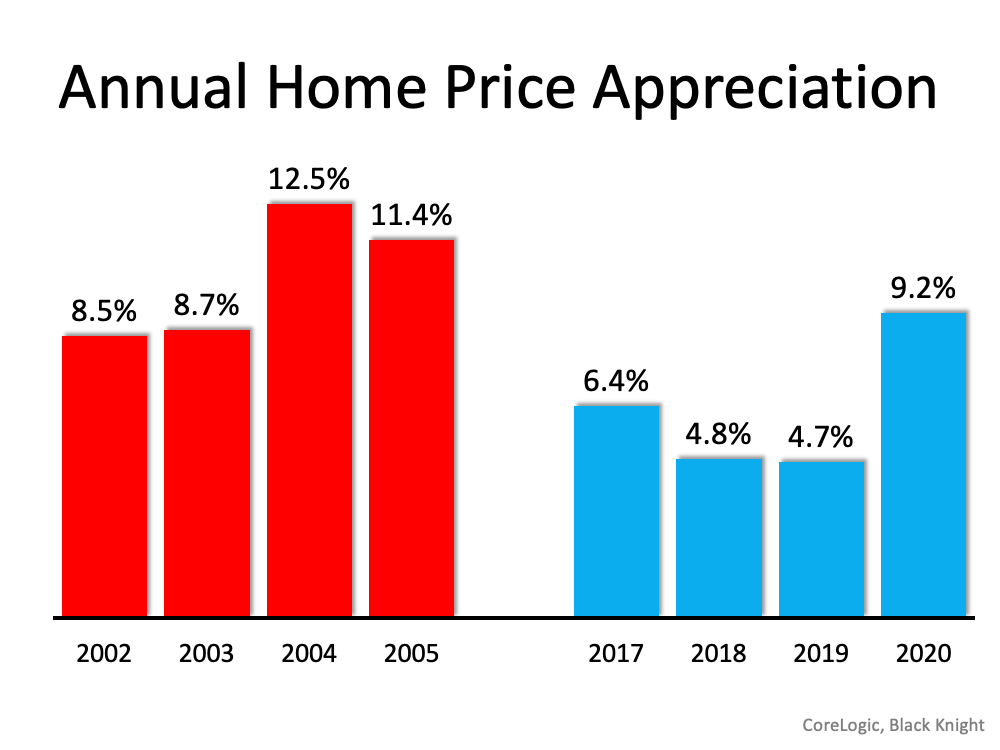
If you’re thinking of selling your home, now may be the right time to do it. Across the country, it’s a seller’s market, meaning demand is outpacing supply. That supply-and-demand imbalance puts sellers in a great position to sell their homes at a premium price. The May 2021 Realtors Confidence Index from the National Association of Realtors found the average home that was sold attracted five offers, and the association says nearly half of homes are selling above list price.14,15

CONSTRUCTION OF SINGLE-FAMILY HOMES SEES SLIGHT UPTICK

Frustrated buyers may soon find some relief, however, from an increase in new construction. Economists forecast that 1.1 million new houses will be started in 2021, compared with a predicted 940,000 units just six months ago, with 1.2 million new starts predicted for 2022 and 2023, according to the Urban Land Institute.16

Amid the rise in home construction, builders are coping with rising costs for materials. In April, the National Association of Home Builders estimated that a surge in lumber prices over the previous year had led to $35,872 being tacked onto the cost of an average new single-family home.17

“Shortages of materials and labor have builders struggling to increase production of new homes, though the demand remains strong,” Robert Frick, corporate economist at Navy Federal Credit Union, told the Reuters news service. “Potential homebuyers should expect tight inventories and rising prices for both new and existing homes for the foreseeable future.”18

Builders (and buyers) did receive some good news in June, though: Lumber prices are coming down—although likely to remain above pre-pandemic levels for the foreseeable future.19

What does it mean for you?

Given the issues affecting the new-home market, it may make sense to widen your home search to include both new and existing homes. Your brand-new dream home may not be available, but you might be able to find an existing home that lives up to your vision. Keep in mind that we can help you find either a new or existing home and can advocate for you to ensure you get the best deal possible.

ARE YOU THINKING OF BUYING OR SELLING?

If you’re in the market for a home, you’re ready to sell your house or you’ve simply been wondering whether you should sell, you definitely could benefit from an expert to help you navigate the sizzling hot real estate market. Let’s set up a free consultation to discuss your situation. We can help you figure out your options and come up with a plan to capitalize on the value of your current property or to find your ideal next home.

Sources:

  1. The Atlantic –
    https://www.theatlantic.com/ideas/archive/2021/05/us-housing-market-records/619029/
  2. Wall Street Journal – https://www.wsj.com/articles/u-s-housing-market-needs-5-5-million-more-units-says-new-report-11623835800
  3. Time –
    https://time.com/nextadvisor/mortgages/mortgage-predictions-2021/
  4. Bankrate –
    https://www.bankrate.com/banking/federal-reserve/fomc-meeting-recap-june-2021/
  5. Mortgage Bankers Association – https://www.mba.org/news-research-and-resources/research-and-economics/forecasts-and-commentary/mortgage-finance-forecast-archives
  6. Associated Press News –
    https://apnews.com/press-release/globe-newswire/mortgages-mortgage-rates-business-0fc0360d0f4af0c988504385fa2794c3
  7. Realtor.com –
    https://www.realtor.com/research/june-2021-data/
  8. Home Buying Institute –
    http://www.homebuyinginstitute.com/news/home-prices-will-keep-rising-through-2021/
  9. DS News –
    https://dsnews.com/daily-dose/07-06-2021/record-high-home-prices-intensify-affordability-challenges
  10. National Association of Realtors –
    https://www.nar.realtor/newsroom/existing-home-sales-experience-slight-skid-of-0-9-in-may
  11. Fannie Mae –
    https://www.fanniemae.com/media/40561/display
  12. Real Estate Center at Texas A&M University –
    https://assets.recenter.tamu.edu/documents/articles/2046-7.pdf
  13. Reuters –
    https://www.reuters.com/world/us/us-housing-starts-rise-less-than-expected-may-building-permits-fall-2021-06-16/
  14. National Association of Realtors – https://www.nar.realtor/research-and-statistics/research-reports/realtors-confidence-index
  15. Realtor magazine –
    https://magazine.realtor/daily-news/2021/05/17/report-half-of-homes-sell-above-list-price
  16. Urban Land Magazine – https://urbanland.uli.org/capital-markets/uli-forecast-sees-increased-improvement-in-outlook-for-u-s-economy-2/
  17. National Association of Home Builders – https://eyeonhousing.org/2021/04/higher-lumber-costs-add-more-than-35k-to-new-home-prices-119-to-monthly-rent/
  18. Reuters – https://www.reuters.com/world/us/us-housing-starts-rise-less-than-expected-may-building-permits-fall-2021-06-16/
  19. NPR – https://www.npr.org/2021/06/21/1008843212/lumber-prices-are-finally-dropping-after-they-soared-during-the-pandemic

How to Bridge the Appraisal Gap


If you’re searching for drama, don’t limit yourself to Netflix. Instead, tune in to the real estate market, where the competition among buyers has never been fiercer. And with homes selling for record highs,1 the appraisal process—historically a standard part of a home purchase—is receiving more attention than ever.

That’s because some sellers are finding out the hard way that a strong offer can fizzle quickly when an appraisal comes in below the contract price. Traditionally, the sale of a home is contingent on a satisfactory valuation. But in a rapidly appreciating market, it can be difficult for appraisals to keep pace with rising prices.

Thus, many sellers in today’s market favor buyers who are willing to guarantee their full offer price—even if the property appraises for less. For the buyer, that could require a financial leap of faith that the home is a solid investment. It also means they may need to come up with additional cash at closing to cover the gap.

Whether you’re a buyer or a seller, it’s never been more important to understand the appraisal process and how it can be impacted by a quickly appreciating and highly competitive housing market.

It’s also crucial to work with a skilled real estate agent who can guide you to a successful closing without overpaying (if you’re a buyer) or overcompensating (if you’re a seller).

Find out how appraisals work—and in some cases, don’t work—in today’s unique real estate environment.

APPRAISAL REQUIREMENTS

An appraisal is an objective assessment of a property’s market value performed by an independent authorized appraiser. Mortgage lenders require an appraisal to lower their risk of loss in the event a buyer defaults on their loan. It provides assurance that the home’s value meets or exceeds the amount being lent for its purchase.

In most cases, a licensed appraiser will analyze the property’s condition and review the value of comparable properties that have recently sold. Mortgage borrowers are usually expected to pay the cost of an appraisal. These fees are often due upfront and non-refundable.2

Appraisal requirements can vary by lender and loan type, and in today’s market in-person appraisal waivers have become much more common. Analysis of the property, the local market, and the buyer’s qualifications will determine whether the appraisal will be waived. Not all properties or buyers will qualify, and not all mortgage lenders will utilize this system.3 If you’re applying for a mortgage, be sure to ask your lender about their specific terms.   

If you’re a cash buyer, you may choose—but are not obligated—to order an appraisal.

APPRAISALS IN A RAPIDLY SHIFTING MARKET

An appraisal contingency is a standard inclusion in a home purchase offer. It enables the buyer to make the closing of the transaction dependent on a satisfactory appraisal wherein the value of the property is at or near the purchase price. This helps to reassure the buyer (and their lender) that they are paying fair market value for the home and allows them to cancel the contract if the appraisal is lower than expected.

Low appraisals are not common, but they are more likely to happen in a rapidly appreciating market, like the one we’re experiencing now.4 That’s because appraisers must use comparable sales (commonly referred to as comps) to determine a property’s value. These could include homes that went under contract weeks or even months ago.

With home prices rising so quickly,5 today’s comps may be lagging behind the market’s current reality. Thus, the appraiser could be basing their assessment on stale data, resulting in a low valuation.

HOW ARE BUYERS AND SELLERS IMPACTED BY A LOW APPRAISAL?

When a property appraises for less than the contract price, you end up with an appraisal gap. In a more balanced market, that could be cause for a renegotiation. In today’s market, however, sellers often hold the upper hand.

That’s why some buyers are using the potential for an appraisal gap as a way to strengthen their bids. They’re proposing to take on some or all of the risk of a low appraisal by adding gap coverage or a contingency waiver to their offer.

  • Appraisal Gap Coverage

Buyers with some extra cash on hand may opt to add an appraisal gap coverage clause to their offer. It provides an added level of reassurance to the sellers that, in the event of a low appraisal, the buyer is willing and able to cover the gap up to a certain amount.6

For example, let’s say a home is listed for $200,000 and the buyers offer $220,000 with $10,000 in appraisal gap coverage. Now, let’s say the property appraises for $205,000. The new purchase price would be $215,000. The buyers would be responsible for paying $10,000 of that in cash directly to the seller because, in most cases, mortgage companies won’t include appraisal gap coverage in a home loan.6

  • Waiving The Appraisal Contingency

Some buyers with a higher risk tolerance—and the financial means—may be willing to waive the appraisal contingency altogether. However, this strategy isn’t for everyone and must be considered on a case-by-case basis.  

It’s important to remember that waiving an appraisal contingency can leave a buyer vulnerable if the appraisal comes back much lower than the contract price. Without an appraisal contingency, a buyer will be obligated to cover the difference or be forced to walk away from the transaction and relinquish their earnest money deposit to the sellers.7

It’s vital that both buyers and sellers understand the benefits and risks involved with these and other competitive tactics that are becoming more commonplace in today’s market.

We can help you chart the best course of action given your individual circumstances. At Silver Elk Realty, we have designed a Real Estate Financial Advisory review to ensure you have guidance every step of the way; well beyond today’s transaction. 

DON’T WAIVE YOUR RIGHT TO THE BEST REPRESENTATION

There’s never been a market quite like this one before. That’s why you need a master negotiator on your side who has the skills, instincts, and experience to get the deal done…no matter what surprises may pop up along the way. If you’re a buyer, we can help you compete in this unprecedented market—without getting steamrolled. And if you’re a seller, we know how to get top dollar for your home while minimizing hassle and stress. Contact us today to schedule a complimentary consultation.

Sources:

  1. Wall Street Journal –
    https://www.wsj.com/articles/u-s-home-prices-push-to-record-high-slowing-pace-of-purchases-11621605953
  2. US News & World Report – https://realestate.usnews.com/real-estate/articles/what-is-a-home-appraisal-and-who-pays-for-it
  3. Rocket Mortgage –
    https://www.rocketmortgage.com/learn/appraisal-waiver 
  4. Money –
    https://money.com/coronavirus-low-home-appraisal/
  5. S&P CoreLogic Case-Shiller 20-City Composite Home Price NSA Index – https://www.spglobal.com/spdji/en/indices/indicators/sp-corelogic-case-shiller-20-city-composite-home-price-nsa-index/#overview
  6. Bigger Pockets –
    https://www.biggerpockets.com/blog/appraisal-gap-coverage
  7. Washington Post –
    https://www.washingtonpost.com/realestate/competitive-buyers-waive-contingencies-to-score-homes-in-tight-market/2021/06/02/d335b050-af2c-11eb-b476-c3b287e52a01_story.html

Finding a New Home for Your Next Stage In Life

Imagine the first place you lived as a young adult. Now imagine trying to fit your life today into that space. Not pretty, right?

For most of us, our housing needs are cyclical.1 A newly independent adult can find freedom and flexibility in even a tiny apartment. That same space, to a growing family, would feel stifling. For empty nesters, a large home with several unused bedrooms can become impractical to heat and clean. It’s no surprise that life transitions often trigger a home purchase.

While your home-buying journey may not look like your neighbor’s or friend’s, broad trends can help you understand what to keep in mind as you house hunt. No one wants to regret their home purchase, and taking the time now to think about exactly what you need can save a lot of heartache later.

The Newly Married Couple

The financial and legal commitment of marriage has provided a springboard to homeownership for centuries, though these days more couples are buying homes without exchanging rings. In the last few decades, changing demographics have shifted the median age of first marriage and buying a first home into the late 20s and early 30s, planting most newly married or partnered buyers firmly in the millennial generation.2,3 But no matter your age, there are some key factors that you should consider as you enter into your first home purchase together.

Affordability is Key

There’s no doubt about it—with high student loan debt and two recessions in the rearview mirror, many millennials feel that the deck is stacked against them when it comes to homeownership. And it’s not just millennials—Americans of all ages are facing both financial challenges and a tough housing market. But stepping onto the property ladder can be more doable than many realize, especially in today’s low mortgage rate environment.

While many buyers are holding out for their dream home, embracing the concept of a starter home can open a lot of doors.4 In fact, that’s the route that most first-time homebuyers take—the average home purchase for a 20-something is about 1,600 square feet. While the average size increases to around 1,900 square feet for buyers in their 30s, it’s not until buyers reach their 40s that the average size passes 2,000 square feet.5

Chosen carefully, a starter home can be a great investment as well as a launchpad for your life together. If you focus on buying a home you can afford now with strong potential for appreciation, you can build equity alongside your savings, positioning you to trade up to a larger home in the future if your needs change.6

Taking Advantage of Low Mortgage Rates

Mortgage rates are historically low, making now the perfect time to purchase your first home together. A lower interest rate can save you tens of thousands of dollars over the life of your loan, which can significantly increase the quality of home you can get for your money.  The lower the rate, the more home you can afford for the same monthly budget, which is your best hedge against higher sales prices.

But what if both halves of a couple don’t have good credit? You may still have options. First, boosting a credit score can be easier than you think—simply paying your credit cards down below 30% of your limit can go a long way. But if that’s not enough to boost your score, you might consider taking out the mortgage in only the better-scoring partner’s name. The downside is that applying for a mortgage with only one income will reduce your qualification amount. And if you take that route, make sure you understand the legal and financial implications for both parties should the relationship end.

Commute and Lifestyle Considerations

Whether you’ve lived in a rental together for years or are sharing a home for the first time, you know that living together involves some compromises. But there are certain home features that can make life easier in the future if you identify them now.  The number of bathrooms, availability of closet space, and even things like kitchen layout can make a big difference in your day-to-day life and your relationship when you are in unity.

Your home’s location will also have a significant impact on your quality of life, so consider it carefully. What will commuting look like for each of you? And if you have different interests or hobbies—say, museums vs. hiking—you’ll need to find a community that meets both your needs. Need some help identifying the ideal location that fits within your budget? We can match you with some great neighborhoods that offer the perfect mix of amenities and affordability.

The Growing Family

Having kids changes things—fast. With a couple of rowdy preteens and maybe some pets in the mix, that 1,600 square foot home that felt palatial to two adults suddenly becomes a lot more cramped. Whether you’ve just had your first child or are getting to the point where your kids can’t comfortably share a bedroom any longer, there’s plenty to consider when you’re ready to size up to a home that will fit your growing family.

The Importance of School Districts

For many parents, the desire to give their kids the best education—especially once they are in middle and high school— surpasses even their desire for more breathing room. In fact, 53% of buyers with children under 18 say that school districts are a major factor in their home buying decisions.7 Of course, better funded (and often higher ranking) schools correspond to higher home prices. However, when push comes to shove, many buyers with kids prefer to sacrifice a bit of space to find a home in their desired location.

But when you’re moving to a new community, it can be tough to figure out what the local schools are actually like—and online ratings don’t tell the whole story. That’s why talking to a local real estate agent can be a gamechanger. We don’t just work in this community; we know it inside and out and can help you schedule a private school tour.

In Texas, we trade off personal state income taxes for local property taxes.  School taxes will become the largest portion, and can be frozen for owners over age 65.  Your loan officer can be an excellent reality check on affordability, from one district to the next or from city to city.

Lifestyle Considerations

For many families, living space is a key priority. Once you have teenagers who want space to hang out with their friends, a finished basement or a rec room can be a huge bonus (and can help you protect some quieter living space for yourself).

A good layout can also make family life a lot easier. For example, an open plan is invaluable if you want to cook dinner while keeping an eye on your young kids playing in the living room. And if you think that you might expand your family further in the future, be sure that the home you purchase has enough bedrooms and bathrooms to accommodate that comfortably.

Functionality

My favorite word in real estate is “function”. Try to think about how each room will fit into your day-to-day. Are you anticipating keeping the house stocked to feed hungry teenagers? A pantry might rise to the top of the list. Dreading the loads of laundry that come with both infants and older kids (especially if they play sports)? The task can be much more bearable in a well-designed laundry room. Imagine a typical day or week of chores in the house to identify which features will have the biggest impact.

Chances are, you won’t find every nice-to-have in one home, which is why identifying the must-haves can be such a boon to the decision-making process. We can help you assess your options, find unity and give you a sense of what is realistic within your budget.

The Empty Nesters

When we talk about empty nesters, we usually think about downsizing. With kids out of the house, extra bedrooms and living space can quickly become more trouble than they’re worth. While the average buyer under 55 trades up to a larger home, buyers over 55 are more likely to purchase a smaller or similarly sized but less expensive home. Even in the highest age groups, the majority of home purchases fall in the single-family category. According to research by the National Association of Realtors, by the time buyers reach their 70s, the median home size drops to 1,750 square feet.5 But there’s plenty for empty nesters to think about besides square footage.

Maintenance and Livability

What factors are driving your decision to move? Identifying those early in the process can help you narrow down your search. For example, do you want to have space for a garden, or would you prefer to avoid dealing with lawn care altogether? What about home maintenance? In many cases, a newer home will require less maintenance than an older one and a smaller one will take less time to clean. You may also want to consider townhomes, condos, or other living situations that don’t require quite as much upkeep.

Lifestyle Considerations

Many empty nesters have retired or are nearing retirement age. This could be your chance to finally pursue hobbies and passions that were just too hard to squeeze into a 9-5. If you’re ready to move, consider how you’d like to spend your days and seek out a home that will help make that dream a reality. For some, that might mean living near a golf course or a beach. For others, being able to walk downtown for a nice dinner out is the priority. And with more time to spend as you wish, proximity to a supportive community of friends and family is priceless.

2020 changed a lot of trends, including the Number one reason for selling. Relocation for work was bumped by the desire to move closer to family and friends.  More and more grandparents are moving to where the grandkids are located, to play a role in daily life or to put down new roots near those who can provide support as life evolves.

Ability to Age in Place

Let’s face it—we can’t escape aging. If you’re looking for a home to retire in, accessibility should be front-of-mind.8 This may mean a single-story home or simply having adequate spaces on the first floor to rearrange as needed. While buying a home that you plan to renovate from the start is a viable option, being forced into renovations (because of the realities of aging) a few years down the road could seriously dig into your nest egg. Location matters, too—if your family will be providing support, are they close by? Can you easily reach necessities like grocery stores and healthcare? While it’s tempting to put it out of our minds, a few careful considerations now can make staying in your home long-term much more feasible.

Finding the Right Home for Right Now

One thing is for sure—life never stands still. And your housing needs won’t, either. In the United States, the median duration of homeownership hovers around 13 years.9 That means many of us will cycle through a few very different homes as we move through different life stages. At each milestone, a careful assessment of your housing options will ensure that you are well-positioned to embrace all the changes to come.

Whatever stage you’re embarking on next, we’re here to help. Our insight into local neighborhoods, prices, and housing stock will help you hone in on exactly where you want to live and what kind of home is right for you. We’ve worked with home buyers in every stage of life, so we know exactly what questions you need to ask. Buying a home—whether it’s your first or your fifth—is a big decision, but we’re here to guide you every step of the way.

We support the Fair Housing Act and equal opportunity housing.

Sources:

  1. Freddie Mac –
    http://www.freddiemac.com/blog/homeownership/20190104_homebuying_lifecycle.page
  2. PRB –
    https://www.prb.org/usdata/indicator/marriage-age-women/snapshot/
  3. Experian –
    https://www.experian.com/blogs/ask-experian/research/average-age-to-buy-a-house/#:~:text=Buying%20a%20first%20home%20will,by%20real%20estate%20marketplace%20Zillow
  4. Nerdwallet –
    https://www.nerdwallet.com/article/mortgages/starter-home-forever-home
  5. NAR 2020 Home Buyers and Sellers Generational Trends Report –
    https://cdn.nar.realtor/sites/default/files/documents/2020-generational-trends-report-03-05-2020.pdf
  6. Investopedia –
    https://www.investopedia.com/personal-finance/what-look-starter-home/
  7. NAR 2019 Moving With Kids
    https://www.nar.realtor/research-and-statistics/research-reports/moving-with-kids
  8. Kaiser Health News –
    https://khn.org/news/baby-boomers-aging-aging-in-place-retrofit-homes/
  9. National Association of Realtors –
    https://www.nar.realtor/blogs/economists-outlook/how-long-do-homeowners-stay-in-their-homes#:~:text=As%20of%202018%2C%20the%20median,varies%20from%20area%20to%20area
 

Could Rising Home Prices Impact Your Net Worth?

Are you Richer💰 or Poorer💸? How rising home prices could impact you

Learn how to determine your current net worth and how an investment in real estate can help improve your bottom line.

Among its many impacts, COVID-19 has had a pronounced effect on the housing market. Low home inventory and high buyer demand have driven home prices to an all-time high.1 This has given an unexpected financial boost to many homeowners during a challenging time. However, for some renters, rising home prices are making dreams of homeownership feel further out of reach.

If you’re a homeowner, it’s important for you to understand how your home’s value contributes to your overall net worth. If you’re a renter, now is the time for you to figure out how homeownership fits into your short-term goals and your long-term financial future. An investment in real estate can help you grow your net worth, build wealth over time, and gain a foothold in the housing market to keep pace with rising prices.

What is net worth?

Net worth is the net balance of your total assets minus your total liabilities. Or, basically, it is what you own minus what you owe.2

Assets include the cash you have on hand in your checking and savings accounts, investment account balances, salable items like jewelry or a car and, of course, your home and any other real estate you own.

Liabilities include your total debt obligations like car loans, credit card debt, the amount you owe on your mortgage, and student loans. In addition, liabilities would include any other payment obligations you have, like outstanding bills and taxes.

How do I calculate my net worth?

To calculate your net worth, you’ll want to add up all of your assets and all of your liabilities. Then subtract your total liabilities from your total assets. The balance represents your current net worth.

Total Assets – Total Liabilities = Net Worth

Ready to calculate your net worth? Contact us to request an easy-to-use worksheet and a free assessment of your home’s current market value!

Keep in mind that your net worth is a snapshot of your financial position at a single point in time. Your assets and liabilities will fluctuate over both the short term and long term. For example, if you take out a loan to buy a car, you decrease your liability with each payment. Of course, the value of your asset (the car) will depreciate over time, as well. An asset that is invested in stocks or bonds can be even less predictable, as it’s subject to daily fluctuations in the market.

As a homeowner, you enjoy significant stability through your monthly real estate investment, also known as your home mortgage payment. While the actual value of your home can fluctuate depending on market conditions, your mortgage payment will decrease your liability each month. And unlike a vehicle purchase, the value of your home is likely to appreciate over time, which can help to grow your net worth. Right now, your asset may be worth significantly more than it was this time last year.3

If you’re a homeowner, contact us for an estimate of your home’s market value so that you can factor it into your net worth calculation. If you’re not a current homeowner, let’s talk about how homes in our area have appreciated over the last several years. That way, you can get an idea of how a home purchase could positively affect your net worth.

How can real estate increase my net worth?

When you put your real estate dollars to work, it’s possible to grow your net worth, generate cash flow, and even fund your retirement. We can help you realize the possibilities and maximize the return on your investment.

Property Appreciation

Generally, property appreciates in one of two ways: either through changes to the overall market or through value-added modifications to the property itself.

  1. Rising prices

This type of property appreciation is the one that many homeowners are enjoying right now. Buyer demand is at an all-time high due to a combination of record-low interest rates and limited housing inventory.4 At other times, rising home prices have been attributed to different factors. Certain local conditions—like a new commercial development, influx of jobs, or infrastructure project—can encourage rapid growth in a community or region and a corresponding rise in home values. Historically, home prices have been shown to experience an upward trend punctuated by intermittent booms and corrections.5

  1. Strategic home improvements

Well-planned and executed home improvements can also impact a home’s value and increase homeowner equity at the same time. The type of home improvement should be appropriate for the home and in tune with the desires of local buyers.

For example, a tasteful exterior remodel that is in keeping with the preferences of local home buyers is likely to add significant value to a home, while remodeling the home to look like the Taj Mahal or a favorite theme park attraction will not. A modern kitchen remodel tends to add value, while a kitchen remodel that is overly expensive or personalized may not provide an adequate return on investment.

Investment Property

You may be used to thinking of investments primarily in terms of stocks and bonds. However, the purchase of a real estate investment property offers the opportunity to increase your net worth both upon purchase and year after year through appreciation. In addition, rental payments can have a positive impact on your monthly income and cash flow. If you currently have significant equity in your home, let’s talk about how you could put that equity to work by funding the purchase of an investment property.

  1. Long-term or traditional rental

A long-term rental property is one that is leased for an extended period and typically used as a primary residence by the renter. This type of real estate investment offers you the opportunity to generate consistent cash flow while building equity and appreciation.6

As an owner, you don’t usually have to worry about paying the utility bills or furnishing the property—both of which are typically covered by the tenant. Add to this the fact that traditional tenants translate into less time and effort spent on day-to-day property management, and long-term rentals are an attractive option for many investors.

  1. Short-term or vacation rental

Short-term rentals are often referred to as vacation rentals because they are primarily geared towards recreational travelers. And as more people start to feel comfortable traveling again, the short-term rental market is poised to become a more popular option than ever. In 2020 alone, in the thick of widespread travel bans, the short-term rental platform Airbnb’s market share of the hospitality industry reached as high as 41 percent.6

Investing in a short-term rental offers many benefits. If you purchase an investment property in a top tourist destination, you can expect steady demand from travelers while taking advantage of any non-rented periods to enjoy the home yourself. You can also adjust your rental price around peak demand to maximize your cash flow while building equity and long-term appreciation.

To reap these benefits, however, you’ll need to understand the local laws and regulations on short-term rentals. We can help you identify suitable markets with investment potential.

WE TEACH PEOPLE HOW TO INVEST IN DREAMS

Ready to calculate your personal net worth? Contact us for an easy-to-use worksheet and to find out your home’s current value. And if you want to learn more about growing your net worth through real estate, we can schedule a free consultation to answer your questions and explore your options. Whether you’re hoping to maximize the value of your current home or invest in a new property, we’re here to help you achieve your real estate goals.

📱Text 214-926-3302, call or fill our our contact form to get started!

The above references an opinion and is for informational purposes only.  It is not intended to be financial advice. Consult the appropriate professionals for advice regarding your individual needs.

Sources:

  1. National Association of Realtors – https://www.nar.realtor/newsroom/housing-market-reaches-record-high-home-price-and-gains-in-march
  2. Forbes – https://www.forbes.com/advisor/investing/what-is-net-worth/
  3. The Washington Post – https://www.washingtonpost.com/business/on-small-business/your-net-worth-is-americas-secret-economic-weapon/2020/08/20/70df5b92-e2d4-11ea-82d8-5e55d47e90ca_story.html
  4. Bloomberg – https://www.bloomberg.com/news/articles/2021-04-09/home-prices-soar-in-frenzied-u-s-market-drained-of-supply
  5. Federal Reserve Economic Data – https://fred.stlouisfed.org/series/MSPUS
  6. Propmodo – https://www.propmodo.com/what-the-growing-short-term-rental-market-means-for-multifamily-real-estate/

Market Update March 2021

While many areas of the economy have contracted, the housing market has stayed remarkably strong. But can the good news last?

When COVID-related shutdowns began in March, real estate brokers and clients scrambled to respond to the shift. Record-low interest rates caused some lenders to call a halt to new underwriting, and homeowners debated whether or not to put their houses on the market. However, those first days of uncertainty ushered in a period of unprecedented demand in the U.S. real estate market, which ended the year with increasing average home prices (up 13.4% from the previous year) and shrinking days on market (13 fewer than in 2019).1

Now, as the spring market approaches, you may be wondering whether the good times can continue to roll on. If you’re a homeowner, should you take advantage of this opportunity? If you’re a buyer, should you jump in and risk paying too much? Below we answer some of your most pressing questions.

How is today’s market different from the one that caused the 2008 meltdown?

At the beginning of the pandemic, fears of an economic recession and an ensuing mortgage meltdown were top of mind for homeowners all across the country. For many buyers and sellers, the two seemed to go hand in hand, just as they did in the 2008 economic crisis.

In reality, however, the conditions that led to 2008’s recession were very different from those that triggered the current downturn—and this time, the housing market is the source of much of the good news.2 This is in line with historical patterns, as housing prices traditionally hold steady in the face of recession, with homeowners staying put and investors putting their money into bricks and mortar to ride out uncertainty in the stock market.

This time around, because of lessons learned in 2008, banks are better funded, homeowners are holding more accrued equity, and, crucially, much of the economic activity is focused on financial factors outside the housing market. As many industries quickly pivoted to work-from-home, early fears of widespread job loss-related foreclosures have failed to materialize. Federal stimulus payments and the Paycheck Protection Program also helped to offset some of the worst early effects of the shutdown.

Are we facing a real estate bubble?

A real estate bubble can occur when there is a rapid and unjustified increase in housing prices, often triggered by speculation from investors. Because the bubble is (in a sense) filled with “hot air,” it pops—and a swift drop in value occurs. This leads to reduced equity or, in some cases, negative equity conditions.

Below is a graph showing annual home price appreciation over the past four years compared to the four years leading up to the height of the housing bubble. Though price appreciation was quite strong last year, it’s nowhere near the rise in prices that preceded the crash.

There’s a stark difference between these two periods of time. Normal appreciation is 3.8%. So, while current appreciation is higher than the historic norm, it’s certainly not accelerating out of control as it did in the early 2000s. This is nothing like the last time.

By contrast, the current rise in home prices is based on the predictable results of historically low interest rates and widespread low inventory. Basically, the principle of supply and demand is working just as it’s supposed to do. In addition, experts predict a strong seller’s market throughout 2021 along with increases in new construction.3 This should allow supply to gradually rise and fulfill demand, slowing the rate of inflation for home values and offering a gentle correction where needed.

Effects of low interest rates

According to Freddie Mac, rates are projected to continue at their current low levels throughout 2021.4 This contributes to home affordability even in markets where homes might otherwise be considered overpriced. These low interest rates should keep the market lively and moving forward for the foreseeable future.

The affordability formula has three components: the price of the home, the wages earned by the purchaser, and the mortgage rate available at the time. Fifteen years ago, prices were high, wages were low, and mortgage rates were over 6%. Today, prices are still high. Wages, however, have increased, and the mortgage rate is about 3%. That means the average homeowner pays less of their monthly income toward their mortgage payment than they did back then. Here’s a chart showing that difference:

Effects of low inventory

Continuing low inventory is another reason for higher-than-average home prices in many markets.5 This should gradually ease as an aggressive vaccination rollout and continuing buyer demand drive more homeowners to move forward with long-delayed sales plans and as new home construction increases to meet demand.6

The months’ supply of inventory needed to sustain a normal real estate market is approximately six months. Anything more than that is an overabundance and will causes prices to depreciate. Anything less than that is a shortage and will lead to continued appreciation. As the next graph shows, there were too many homes for sale in 2007, and that caused prices to tumble. Today, there’s a shortage of inventory, which is causing an acceleration in home values.

Some may think new construction is filling the void. However, if we compare today to right before the housing crash, we can see that an overabundance of newly built homes was a major challenge then, but isn’t now.

Aren’t some markets and sectors looking particularly weak?

One of the big stories of 2020 was a mass exodus from attached home communities and high-priced urban areas as both young professionals and families fled to the larger square footage and wide-open spaces of suburban and rural markets. This trend was reinforced by work-from-home policies that became permanent at some of the country’s biggest companies.

Speculation then turned to the death of cities and the end of the condo market. However, it appears that rumors of the demise of these two residential sectors have been greatly exaggerated.

With the first vaccine rollouts, renters have begun returning to major urban centers, attracted by the sudden rise in available inventory and newly discounted rental rates.7 In addition, buyers who were previously laser-focused on a single-family home responded to tight inventory by taking a second look at condos.8 While nationwide condo prices continue to lag behind those of detached homes, they’ve still seen significant price increases and days on market reductions year over year.

In addition to these improvements, the 2020 migration has spread the economic wealth to distant suburban and rural enclaves that normally don’t benefit from increases in home values or an influx of new investment. As many of these new residents set up housekeeping in their rural retreats, they’ll revitalize the economies of their adopted communities for years to come.

How has COVID affected the “seasonal” real estate market?

Frequently, the real estate market is seen as a seasonal phenomenon. However, the widespread shutdowns in March 2020, coming right at the beginning of the market’s growth cycle in many areas, has led to a protracted, seemingly endless “hot spring market.”

While Fannie Mae’s chief economist Douglas Duncan predicts slower growth from 2020’s historic numbers, the outlook overall is positive as we embark on the 2021 spring selling cycle.9 Duncan anticipates an additional lift in the second half of 2021 as buyers return to business as usual and look to put some of their pandemic savings to work for a down payment. Thus we could be looking at another longer-than-usual, white-hot real estate market.

How will a Biden administration affect the real estate market?

Projected policy around housing promises to be a boost to the real estate market in many cases.10 While some real estate investors bemoan proposed changes to 1031 Exchanges, the Biden plan for a $15,000 first-time homebuyer tax credit aims to increase affordability and bring eager new home buyers into the market. In addition, Biden-proposed policy pinpoints low inventory as a primary driver of unsustainable home values and is geared toward more affordability through investments in construction and refurbishment.

Overall, according to most indicators, the real estate news looks overwhelmingly positive throughout the rest of 2021 and possibly beyond. Pent-up demand and consumer-driven policies, along with a continued low-interest-rate environment and rising inventory, should help homeowners hold on to their increased equity without throwing the market out of balance. In addition, the increase in long-term work-from-home policies promises to give a boost to a wide variety of markets, both now and in the years to come.

STILL HAVE QUESTIONS? WE HAVE ANSWERS

While economic indicators and trends are national, real estate is local. We’re here to answer your questions and help you understand what’s happening in your neighborhood. Reach out to learn how these larger movements affect our local market and your home’s value.

Sources:

  1. Realtor.com –
    https://www.realtor.com/research/december-2020-data/
  2. New York Magazine –
    https://nymag.com/intelligencer/2020/06/why-this-economic-crisis-wont-be-as-bad-as-2008.html
  3. Washington Post –
    https://www.washingtonpost.com/business/2021/01/11/2021-housing-market-predictions/
  4. Freddie Mac –
    http://www.freddiemac.com/research/forecast/20210114_quarterly_economic_forecast.page?
  5. Wall Street Journal –
    https://www.wsj.com/articles/housing-market-stays-tight-as-homeowners-stay-put-11611226802?mod=re_lead_pos1
  6. Marketwatch –
    https://www.marketwatch.com/story/new-home-construction-activity-soars-to-highest-level-in-over-a-decade-as-builders-rush-to-produce-single-family-homes-2021-01-21
  7. Forbes –
    https://www.forbes.com/sites/noahkirsch/2021/01/14/signs-of-a-rebound-new-york-city-rent-prices-are-climbing-back
  8. Washington Post –
    https://www.washingtonpost.com/business/2021/01/07/condo-sales-rebound-amid-dwindling-inventory-houses/
  9. Mortgage Professional America –
    https://www.mpamag.com/news/fannie-mae-chief-economists-forecast-for-us-economy-housing-market-in-2021-244045.aspx
  10. Inman –
    https://www.inman.com/2020/11/09/what-a-joe-biden-presidency-means-for-real-estate-and-housing/

Give Back This Holiday

10 Ways to Give Back to Our Local Community This Holiday Season

This year has demonstrated, perhaps more than ever, the importance of our family, friends, neighbors, and community. It truly “takes a village” to keep a community functioning effectively, whether that’s by keeping our waterways clean, feeding the hungry, teaching our kids, or supporting small businesses.

With the holidays right around the corner, December offers the perfect opportunity to give back to the place we call home. You might want to focus your efforts near home, expand to our larger community, or even help support the people closest to you. Whether you’re passionate about a particular cause or just want to get more involved in general, let these 10 ways, both big and small, inspire you to do good in your town.

GIVE BACK NEAR HOME

1. Attract local wildlife. By making your neighborhood more wildlife friendly, you’re helping to  create a balanced and healthy ecosystem. Plus, many of the animals you can attract help with pest control and pollination.1

Ideas:

  • Add a birdbath to your backyard or create a rain garden to attract wildlife (and filter out local pollutants).
  • Place bird feeders on your property to feed birds all year long.
  • Tie corncobs to tree branches to feed squirrels.
  • Hang birdhouses on your property to provide shelter.
  • Use native plants in your landscaping to provide food and shelter for birds, bees, butterflies, and other critters.

Take action: While you might not be able to “break ground” until spring, start researching native plants now to design a landscaping plan that provides food, shelter, and water for local wildlife.

2. Clean up our community. Besides beautifying the area, picking up trash keeps it out of our local waterways, which means a cleaner water supply for all of us.

Ideas:

  • Whether you make this a solo effort or join in an organized group event, pick up trash in your neighborhood, at a local park, or elsewhere in our community.
  • Depending on your community’s regulations, you can recycle many home items such as paper, glass, and aluminum.
  • And don’t forget to clean the exterior of your home, where water runoff (such as on your driveway and sidewalks) can carry debris into the local sewer system.2

Take action: Check with your local municipality to learn about environmental clean-up efforts in our community, as well as recycling and composting. 

3. Organize or join a neighborhood watch. According to a recent report, neighborhoods with Neighborhood Crime Watch programs experience roughly 16 percent less crime.3 Keeping an eye out for each other instills a sense of safety and security in your neighborhood by increasing surveillance, reducing opportunities, and enhancing information sharing among residents. Even if your neighborhood doesn’t have an official program, you can still share crime information via a neighborhood Facebook group or apps like NextDoor.

Ideas:

  • Make a point of looking out for each other and being observant of what’s going on.
  • You can even make it official by joining a neighborhood watch program.
  • Don’t have one? Consider launching a neighborhood watch program with the help of other interested neighbors.

Take action: Some police forces use online mapping tools that provide crime alerts to people in neighborhoods where recent criminal activity occurred.3 Share this information with your neighbors.

HELP OUT LOCAL ORGANIZATIONS


4. Boost your civic engagement. Regardless of your politics, you can get more involved as a citizen to make a positive difference in our community.

Ideas:

  • Sign a petition to make a needed change in our community.
  • Join a peaceful march, protest, or rally to support a cause dear to your heart.
  • Attend local school board meetings, town halls, or city council meetings to understand (and have a voice in) local issues.4
  • Watch (and read) a variety of local news sources to get balanced reporting on what’s happening in our community.
  • If you don’t know your neighbors very well, introduce yourself.
  • Then make a commitment to check in on those who might need help, such as an elderly neighbor.
  • Get plugged into the resources and events in our town by visiting local museums, taking historical tours, borrowing materials from our local library, and attending community festivals.

Take action: Do you know who our local leaders are, such as our mayor or city councilwoman? Get to know their names, their policies, and their stand on issues that affect our community. Subscribe to their newsletter and follow them on social media.

5. Support local businesses. Our community has been impacted by the pandemic, with many businesses being forced to limit capacity, instill social distancing efforts, and even shutter entirely in some cases. Help keep money in our local economy by shopping local instead of relying on online shopping from national chains.

Ideas:

  • From handcrafted soaps and one-of-a-kind apparel to locally produced chocolate and small-batch wines, you’ll find plenty of unique gifts at the small businesses that dot our community.
  • Consider purchasing tickets to attend live-streamed holiday concerts and shows.
  • Buy cookies and other baked goods from our local bakery.
  • Get takeout from our local restaurants.
  • Support local farmers by purchasing fresh fruits and vegetables at community farmer’s markets.

Take action: If you’re concerned about shopping in person right now, many of these businesses, though small, offer online shopping, with options for in-store pick-up, curbside delivery, and/or mail options.

6. Donate to local charities. Nonprofits could always use your financial support, so consider making a monetary donation to help them carry out their mission in our community. But if money is tight (or you want to support in other ways), think beyond just donating dollars.

Ideas:

  • Consider donating to a charity in someone else’s name as an altruistic gift on behalf of a friend or relative.
  • Give blood to our local blood bank.
  • Donate new or used books to our community library.
  • Send school supplies to our neighborhood elementary school.
  • Help struggling neighbors by donating blankets to the homeless.
  • Pick out toys to give to a charity that caters to families. 5

Take action: Many collection efforts run by charitable organizations and businesses take place during the holidays. Look to see what’s already taking place in our community and choose one or more to give to this season.

CARE FOR YOUR NEIGHBORS

7. Organize a holiday food drive. This year, in particular, people are struggling to pay their bills and put food on the table. The pandemic has caused many businesses to close or reduce their staff size, putting many people out of work.

Ideas:

  • If you personally know someone who needs help buying groceries, reach out and offer to help that one family.
  • If not, partner with a local food bank, soup kitchen, nonprofit or community organization that feeds people in need.
  • Round up a few friends, family, co-workers, or neighbors to collect food for a few weeks. Then deliver the bounty in time for the holidays.

Take action: Take advantage of your grocery store coupons and buy-one-get-one offers to inexpensively stock up on nonperishable goods.

8. Adopt a family or an individual. The holidays can be a struggle, especially financially, for some families. They might not be able to buy a Christmas tree or presents for their children. Maybe their holiday meal consists of boxed macaroni and cheese because they can’t afford a turkey and fresh vegetables. You can make a difference by “adopting” a particular family (or even just a child) to help make their holiday special.

Ideas:

  • If you know a needy family, help them directly.
  • If not, ask a community group for the name of a family or individual in need.
  • Some businesses even sponsor toy drives or “angel trees” where you can pick the name of a needy family off the tree and buy from their wish lists.

Take action: This works great as a family project. Get the kids in your life involved to help make holiday cards and pick out toys to give to the children in the adopted family.

9. Volunteer. Depending on your schedule and your preferences, you might be able to volunteer in-person or from home, whether it’s a one-time effort or ongoing project. It’s a great way to meet like-minded people in your community as you make a positive impact together for a shared cause.

Ideas:

  • Give your time to a cause or organization that really matters to you, such as your local school, animal rescue organization, mental health awareness group, or environmental nonprofit.6
  • Tap into a skill you already have, like creating videos, and offer your services.
  • Or learn a new skill (like fundraising) to benefit your cause of choice.

Take action: Start with your local community to see where its needs are the greatest. Make a point to help this holiday season, perhaps extending your commitment throughout 2021.

10. Perform random acts of kindness. Don’t think you need to “go big or go home” in your give-back efforts. You can make a big difference one small act at a time.

Ideas:

  • Give a generous tip to a waitress.
  • Pay for the coffee of the car behind you in the drive-through.
  • Take care of a neighbor’s pet while they’re out of town.
  • Send holiday cards to deployed military personnel.
  • Deliver a plate of homemade holiday cookies to our local fire or police station.
  • Smile at a stranger.
  • Rake leaves for an elderly neighbor.
  • Thank your child’s teacher for all their hard work this year.
  • Send an uplifting text to a friend.
  • Compliment someone.
  • Help a coworker with an unpleasant task.   

Take action: Need more ideas? Visit randomactsofkindness.org for hundreds of inspiring ways to make someone’s day a little brighter.

HOW WE CAN HELP YOU?

As real estate experts in our local community, we’re tuned into the unique needs of the place we all call home. Reach out to us today to discuss more ways to make a positive impact in our community—this holiday season and beyond. And we want to make sure you’re taken care of, too. If you’re thinking about buying or selling a home now or in the near future, let us help you!

Sources:

  1. Redfin –
    https://www.redfin.com/blog/attract-wildlife-to-your-backyard/#:~:text=Sow%20plants%20that%20provide%20essentials,these%20alternate%20natural%20food%20sources
  2. The Groundwater Foundation –
    https://www.groundwater.org/action/home/raingardens.html
  3. The Globe and Mail –
    https://www.theglobeandmail.com/life/home-and-garden/how-neighbours-and-online-maps-can-help-deter-break-ins/article34886427/
  4. Parade –
    https://parade.com/1083640/stephanieosmanski/what-is-civic-engagement/
  5. MentalFloss –
    https://www.mentalfloss.com/article/88663/15-ways-give-back-holiday-season
  6. Together We Rise –
    https://www.togetherwerise.org/blog/7-ways-give-back-community/